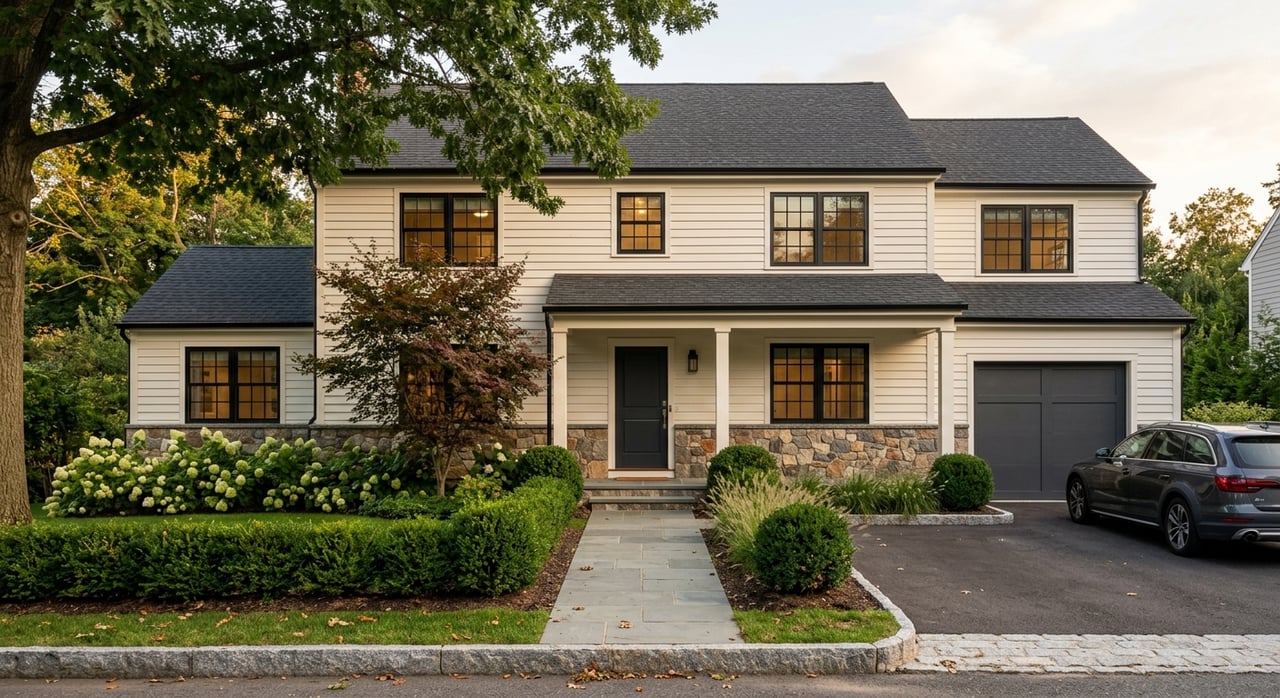
What if the best version of New York living is not choosing between the city and the suburbs, but using both well? If you split your week between office days, remote work, and time at home, that question is more practical than aspirational. In Westchester, and especially around Eastchester, hybrid living works because train access, housing options, and weekend amenities already support it. Let’s dive in.
Why Hybrid Living Fits Westchester
Hybrid living is not a fringe routine in Westchester. According to Westchester County commuting data, residents average a 34-minute commute each way, 23.9% use transit, and about 22% work in Manhattan, while just under half work within the county.
That matters because the local rhythm already supports a part-city, part-suburban lifestyle. In many rail-oriented communities, transit is built into daily life, so commuting into Manhattan a few days a week can feel manageable rather than disruptive.
Westchester also points to transit-oriented development as a model for mixed-use, higher-density living around stations. In plain terms, the towns that work best for hybrid households tend to have a strong connection between the train, the downtown, and the available housing stock.
The Three-Part Hybrid Formula
If you are thinking about weekday city, weekend Westchester living, it helps to look at three things first:
- Station access for a reliable trip into Manhattan or other work hubs
- Home type that matches how much space and maintenance you want
- Weekend amenities so your local routine still feels active and rewarding
When those three pieces line up, hybrid living becomes easier to sustain. You are not just buying a home. You are buying a weekly rhythm that supports how you actually live now.
Eastchester’s Rail Advantage
For Eastchester-area buyers, the most practical setup centers on the Bronxville, Tuckahoe, and Crestwood cluster. The county’s Bronxville and Eastchester area profile notes that Bronxville sits within the Town of Eastchester and has an unusual mix of apartment buildings and individual lots.
That mix is important for buyers who want options. You may prefer a lower-maintenance apartment, co-op, condo, or townhouse near the train, or you may want a detached home with more privacy and space while still keeping a station nearby.
Tuckahoe adds another layer of convenience. The same county profile notes that it is centrally located between Manhattan and White Plains and is served by two train stations, Tuckahoe and Crestwood. Tuckahoe station also offers accessibility features, ticket machines, and Bee-Line bus connections.
In practical terms, this gives you flexibility. If your week includes in-office meetings, school drop-offs, errands, and occasional late returns, having more than one station in the area can make the routine smoother.
Towns That Best Support the Routine
White Plains for an Urban Feel
If you want Westchester to feel active even when you are not in Manhattan, White Plains stands out. The city describes itself as 25 miles north of Manhattan with two Metro-North stations, a public bus system, and a downtown filled with shops, restaurants, parks, recreation, and events.
It is also a major rail hub. The MTA Harlem Line station list places White Plains on the same corridor as Bronxville, Tuckahoe, Crestwood, Scarsdale, Hartsdale, and North White Plains, and the MTA has said White Plains was its third-largest Metro-North station before the pandemic, with more than 12,000 weekday commuters and roughly 3,000 daily bus transfers.
That scale gives White Plains a different kind of energy. For hybrid buyers, it can serve as a suburban home base that still offers a dense, connected daily experience.
Harrison for Frequency and Flexibility
Train frequency matters when your work schedule changes from week to week. The MTA has highlighted Harrison as a transit-oriented development success, noting that the station has 98 weekday trains and 75 trains on Saturdays and Sundays, with generally every 30 minutes off-peak and every 20 minutes during peak periods.
That kind of service supports flexibility. If your office days shift, if you need to return later than expected, or if you want the option to head into the city on a weekend, a station with strong frequency can make a real difference.
Tarrytown for Scenic Weekend Living
Some buyers want the weekday commute to work, but they also want the weekend half of the equation to feel distinct. Tarrytown delivers that version of the lifestyle.
The village says Tarrytown offers river views, dining, shopping, and entertainment, and the MTA notes that it is less than an hour from New York City on Metro-North. The station also connects to Hudson Link and Bee-Line service.
For a buyer who wants a home base that feels like a destination, Tarrytown shows how Westchester can deliver more than convenience. It can also deliver atmosphere.
What Home Types Work Best
The right home for hybrid living often depends on how you divide your time and how much maintenance you want to take on. Westchester County’s homeownership definitions outline the core options: fee-simple homes, condos, co-ops, and townhouses.
Each one supports the lifestyle in a different way:
- Single-family homes can offer more space, storage, and privacy
- Condos and co-ops may appeal if you want a more lock-and-leave setup
- Townhouses often balance space with lower exterior maintenance and may include a private entrance, terrace, or yard
For many hybrid buyers, the decision comes down to trade-offs. More space can improve your work-from-home setup and weekend comfort, while a lower-maintenance property close to transit can make weekday movement much easier.
How the Local Housing Mix Helps
Eastchester-area communities already offer a range of housing patterns that fit different versions of hybrid living. The county profile notes that Bronxville has that unusual balance of apartment buildings and individual lots, which gives buyers more ways to match home type with commute style.
Tuckahoe is similarly mixed. The county profile reports that it is almost evenly split between owner-occupied and renter-occupied housing, with a median home value of $488,200 and a median gross rent of $1,765. That blend points to a market where attached housing and transit-oriented options are part of the local fabric.
White Plains adds a more urban profile. The county says the city is 48.3% owner-occupied and 44.5% renter-occupied, with more than 3,000 residential units built or in the downtown pipeline or approval process. For buyers who want a busier downtown environment, that is a useful signal.
Harrison offers a different structure. Its municipal profile reports 59.8% owner-occupied housing, a median home value of $871,800, and a median gross rent of $2,286. While these figures are structural context rather than live market inventory, they help show the range of Westchester options available to hybrid households.
Why Weekends Can Feel Complete Here
A hybrid move works best when weekends do not feel like downtime by default. You want enough nearby activity, recreation, and convenience that staying local still feels rewarding.
White Plains is one of the clearest examples. Its downtown offers restaurants, shops, parks, events, and recreation programming, which helps create a more active local routine. If you are used to city energy, that can make the suburban transition feel more natural.
Tarrytown brings a different weekend experience. Between the Hudson River setting, historic character, local dining, shopping, entertainment, and destinations like the Old Croton Aqueduct Trail noted by the MTA visitor guide, it supports a more scenic and destination-driven pace.
Eastchester adds another valuable layer through Lake Isle Country Club, a town-owned facility with golf, tennis, and multiple pools. For buyers focused on recreation close to home, amenities like this can make the weekend half of the lifestyle feel full without requiring a long drive or a packed itinerary.
What to Consider Before You Buy
Before choosing a town or property, it helps to pressure-test your weekly routine. The goal is not simply to find a beautiful home. It is to find a setup that works on a Tuesday morning and a Saturday afternoon.
Ask yourself:
- How many days a week will you likely commute?
- Do you want to walk or drive to the station?
- Would you rather have more square footage or less maintenance?
- Do you want a lively downtown nearby, or a quieter weekend setting?
- How important are recreation options close to home?
You should also think about fare structure. The MTA fare rules for Metro-North note that peak fares apply on weekday trains arriving in NYC between 6 a.m. and 10 a.m. and departing NYC between 4 p.m. and 8 p.m., while off-peak fares apply at other times, including all day on weekends and holidays. If your schedule is flexible, that can shape both cost and convenience.
How Hybrid Living Really Works
At its best, hybrid living in Westchester is not about compromise. It is about choosing a place where station access, home design, and local lifestyle all work together.
Around Eastchester, that can mean using the Bronxville, Tuckahoe, and Crestwood rail cluster for weekday movement while enjoying more space and local amenities at home. In White Plains, it may mean trading a full city address for a downtown with real energy and stronger breathing room. In Tarrytown, it can mean a more scenic base that still keeps New York City within reach.
The common thread is alignment. When the train is practical, the housing stock fits your routine, and weekends have enough texture, hybrid living stops feeling like a balancing act and starts feeling intentional.
If you are exploring Westchester through that lens, Nest Seekers Masters Division can help you evaluate the towns, property types, and lifestyle trade-offs that matter most to your next move.
FAQs
What does hybrid living in Westchester usually mean?
- It usually means splitting your routine between office days in New York City or another work hub and home life in Westchester, with train access, housing choice, and weekend amenities all playing a role.
Which Eastchester-area stations are most useful for hybrid commuters?
- For many buyers, the Bronxville, Tuckahoe, and Crestwood cluster is the most practical Eastchester-area setup because it offers strong rail access and local flexibility.
Why is White Plains often considered a strong fit for hybrid living?
- White Plains combines major Metro-North access with an active downtown, bus connections, shops, restaurants, parks, and events, which can make both weekdays and weekends easier to navigate.
What types of homes support a hybrid lifestyle in Westchester?
- Common options include single-family homes, condos, co-ops, and townhouses, with the best fit depending on how much space, privacy, and maintenance you want.
How do Metro-North fares affect a weekday city and weekend Westchester routine?
- Peak fares generally apply during weekday rush periods, while off-peak fares apply at other times, including all day on weekends and holidays, which can make weekend travel more flexible and cost-effective.
Why do weekend amenities matter when choosing a Westchester home?
- Weekend amenities help determine whether your home base feels complete, especially if you want recreation, dining, shopping, or outdoor access close to home instead of relying on the city for activity.