A second home in New York can be exciting, but it can also get complicated fast if you focus on the address before the way you plan to use it. If you are buying from Portugal, you are likely balancing lifestyle goals, travel patterns, currency movement, and a very different set of property rules than you may be used to at home. The good news is that with the right strategy, you can make a smart, clear-eyed decision that fits how you actually want to live. Let’s dive in.
Start With Use, Not Prestige
If you are considering a second home in New York, your first question should not be "Which neighborhood sounds most impressive?" It should be "How will I use this home?" That answer shapes almost everything that follows, from location and property type to carrying costs and ownership structure.
Recent U.S. housing data shows that many foreign buyers purchase homes for vacation use or rental use, and buyers living abroad often choose condos in central city locations and urban areas. That creates a useful framework for Portuguese buyers looking at New York. A Manhattan or Brooklyn apartment may suit a lock-and-leave lifestyle, while Westchester or the Hamptons may make more sense if you want more space, longer stays, or seasonal use.
Compare New York Second-Home Options
Manhattan and Brooklyn for convenience
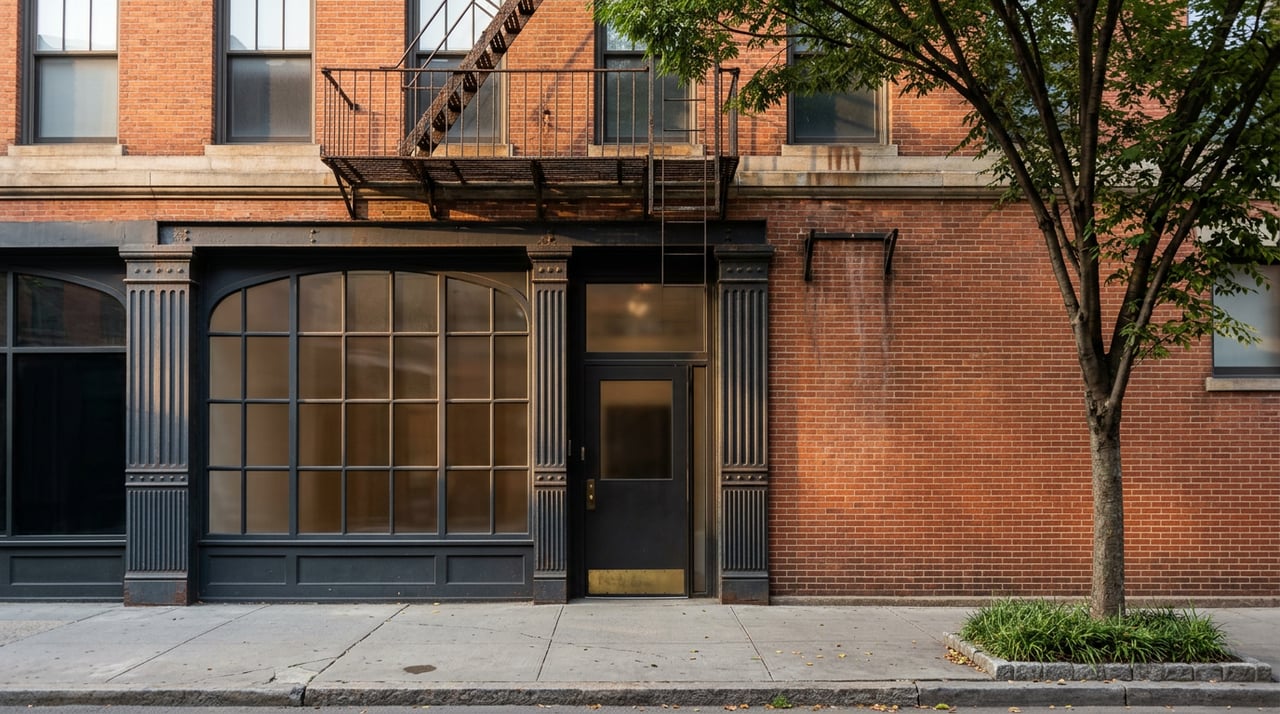
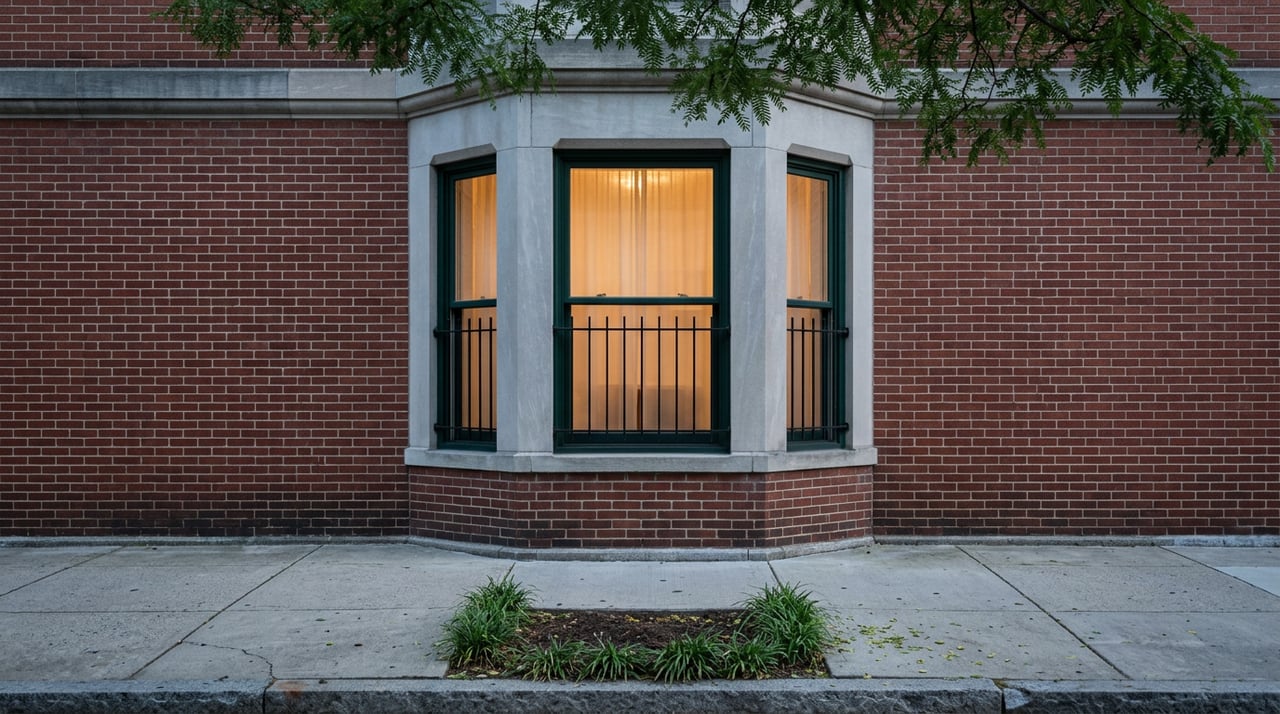
If you expect frequent short stays, easy airport access, and low day-to-day maintenance, Manhattan and Brooklyn may be the strongest fit. Condos in particular can appeal to second-home buyers who want a more streamlined ownership experience in a central location. These markets often work well for buyers who value proximity to dining, culture, business meetings, and a simple arrival-and-departure routine.
Co-ops are also common in New York City, but they come with a different approval process and building rules. Before you commit, it is important to understand not just the apartment itself, but also the building's governing documents and any restrictions that may affect your use.
Westchester and the Hamptons for space
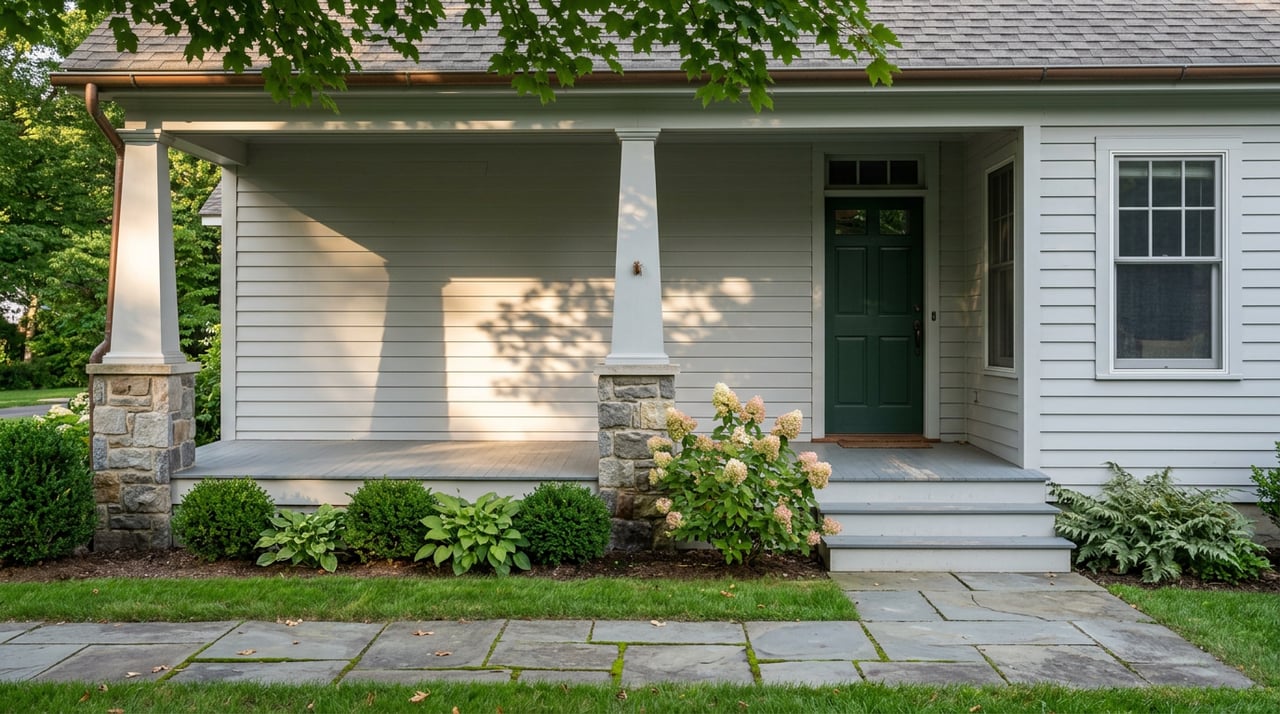
If your second home is meant for longer visits, family gatherings, or a more seasonal rhythm, Westchester and the Hamptons may deserve a closer look. These areas can offer more interior space, outdoor space, and a different ownership experience than a city apartment. They can be especially attractive if your goal is to spend extended periods in New York rather than use the property for short city trips.
That said, more space often comes with different carrying costs. Property taxes outside New York City are local taxes that vary by county, town, and school district, so the ongoing cost profile can look very different from a Manhattan condo.
Building Rules Can Shape Your Decision
In New York, building rules matter almost as much as location. The New York Attorney General advises buyers to review the offering plan carefully, understand the building's physical condition, and consult an attorney before signing a purchase agreement. For a second-home buyer, this step is especially important because the documents may affect how flexibly you can use the property.
If you are choosing between a co-op and a condo, do not assume both will work the same way. A building's rules may influence whether occasional rentals are permitted, how the home can be occupied, and what approvals may be required. For an international buyer, these details can have a direct impact on whether the property truly fits your goals.
Do not assume primary-residence tax treatment
In New York City, the co-op and condo property tax abatement is only available for units that are the owner's primary residence. The application and renewal process is handled through boards or managing agents, and the city requires owners to certify primary residency. If you are buying a true second home, you should not assume it will receive the same tax treatment as a primary residence.
This is one of the easiest places for expectations to drift away from reality. A property that looks attractive on paper may have a different cost profile once you account for the tax treatment that applies to second-home ownership.
Short-Term Rental Plans Need a Reality Check
Some international buyers explore the idea of offsetting costs with Airbnb-style rentals. In New York City, that plan requires careful review because local short-term rental rules are strict. A short-term rental is generally defined as fewer than 30 consecutive days, and the city requires the dwelling unit to be registered while the host must be a permanent occupant.
The rules also state that booking services may not process fees for unregistered short-term rentals. For many second-home buyers, this is a major practical limit. If your strategy depends on frequent short stays by guests while you are not in residence, you need to examine the local rules and building policies before moving forward.
Financing May Be Possible, But More Document-Heavy
If you are buying from Portugal, financing may still be available, but the process is often more involved than a domestic U.S. purchase. International-borrower programs can require extensive documentation around identity, income, and assets. Some lenders also require purchase funds to be transferred into a U.S. bank account by closing.
Certain international lending programs may not require a U.S. credit history, which can be helpful for non-U.S. residents. At the same time, foreign nationals may need a valid U.S. address before applying in some cases, and loan terms can differ from what domestic buyers expect. For that reason, financing conversations should begin early, before you narrow your search too aggressively.
Cash buyers still need a funding plan
A large share of international buyers in the U.S. pay all cash, but cash does not eliminate planning. You still need to think through transfer timing, bank account logistics, proof of funds, and how exchange-rate movement could affect your final budget. In a cross-border purchase, the source and timing of funds matter.
Currency Risk Is Part of Affordability
If your wealth and income are euro-based, the EUR/USD exchange rate should be part of your planning from the start. The European Central Bank publishes reference rates each working day for information purposes, which is a useful reminder that exchange rates can move between the moment you make an offer, send a deposit, and close the purchase. That movement can meaningfully change your effective purchase price in euros.
For that reason, affordability is not just about the asking price in dollars. It is also about how much currency exposure you are willing to accept during the transaction timeline.
Understand New York Closing Costs
New York closing costs can be significant, especially in higher price brackets. In New York City, the Real Property Transfer Tax applies to sales over $25,000. For residential transfers, the city rate is 1% up to $500,000 and 1.425% above that.
New York State also imposes a transfer tax of $2 per $500 of consideration. In addition, the state mansion tax applies at 1% on residential deals of $1 million or more, and New York City adds further state taxes on certain transfers above $2 million and $3 million. If you are financing, mortgage recording tax may also apply, with local layers in New York City, Yonkers, and some counties.
Ongoing ownership costs differ by area
Your post-closing costs will also vary by location. In New York City, property owners receive tax bills quarterly or semiannually. Outside the city, property taxes are local and can differ sharply depending on the municipality.
This is why a second-home comparison should go beyond purchase price. A Manhattan apartment, a Westchester residence, and a Hamptons home may each offer a very different long-term cost picture.
Ownership Structure Needs Professional Review
Some cross-border buyers consider taking title through an LLC, often for planning, privacy, or administrative reasons. In New York, that choice can affect paperwork and disclosure obligations. New York City requires enhanced member lists when an LLC is the grantor or grantee in certain residential deed transfers, and state transfer-tax forms may also require disclosure of LLC members and managers until ultimate natural-person ownership is shown.
In other words, entity ownership is not just a tax question. It can also influence transparency requirements and closing documentation. This is an area where coordinated legal and tax advice matters.
Plan Ahead for Future Sale Tax Issues
It is easy to think only about the purchase, but your future exit matters too. If a foreign person later sells a U.S. real property interest, federal FIRPTA withholding and reporting rules can apply. The IRS states that buyers are generally the withholding agents and that specific forms and taxpayer identification numbers are required.
You do not need to master the filing mechanics before you buy, but you should understand that cross-border ownership carries tax implications beyond the initial closing. A second home in New York should be approached as both a lifestyle decision and a structured financial transaction.
New York Rules Can Change
Second-home buyers should also remember that tax treatment and policy can evolve. In April 2026, New York leaders announced a pied-a-terre tax proposal aimed at certain luxury second homes. Whether or not a proposal becomes law, the practical takeaway is clear: verify the current rules right before closing rather than relying on old assumptions.
That is especially important in the luxury segment, where tax changes can have a larger financial impact. Up-to-date guidance is part of buying well.
A Smart Approach for Portuguese Buyers
If you are based in Portugal and considering a New York second home, the strongest approach is usually a structured one. Begin with intended use, compare city and seasonal options honestly, review building rules early, and model the full cost of ownership before you make an offer. Then bring in the right attorney, tax advisor, and financing contacts to pressure-test the decision.
For many buyers, the right property is not simply the most famous address. It is the one that supports your travel patterns, protects flexibility, and makes sense after taxes, fees, currency movement, and building rules are fully understood.
If you want a discreet, high-touch strategy for buying a second home in Manhattan, Brooklyn, Westchester, or the Hamptons, Nest Seekers Masters Division can help you evaluate the market with clarity and confidence.
FAQs
What should Portuguese buyers consider first when buying a second home in New York?
- Start with how you plan to use the home, because intended use will help determine the right location, property type, building rules, and long-term costs.
What is the difference between buying in Manhattan and buying in the Hamptons as a second-home buyer?
- Manhattan often suits a low-maintenance, lock-and-leave lifestyle, while the Hamptons may be a better fit for seasonal use, longer stays, and more space.
What should international buyers know about New York co-op and condo rules?
- You should review the offering plan, physical condition, and governing documents carefully, because building rules may affect occupancy, rental flexibility, and overall suitability for second-home use.
Can Portuguese buyers use a New York second home for short-term rentals?
- In New York City, short-term rental rules are strict, and fewer-than-30-day rentals generally require registration and permanent occupancy by the host.
Do second homes in New York City qualify for the same tax benefits as primary residences?
- Not automatically, because the NYC co-op and condo property tax abatement applies only to units that are the owner's primary residence.
What financing issues should Portuguese buyers expect when buying New York property?
- International financing may be available, but it is often more document-heavy and can require proof of identity, income, assets, and movement of funds into a U.S. bank account before closing.
Why does currency planning matter for Portuguese buyers purchasing in New York?
- If your finances are euro-based, EUR/USD movement can change your effective purchase cost between offer, deposit, and closing.
What taxes and closing costs should second-home buyers expect in New York?
- Buyers may face New York City transfer tax, New York State transfer tax, mansion tax on qualifying purchases, and mortgage recording tax if financing applies.
Should Portuguese buyers use an LLC to buy a second home in New York?
- Possibly, but LLC ownership can trigger additional disclosure and paperwork requirements, so it should be reviewed with legal and tax advisors before you decide.
What future tax issue should foreign owners understand before buying New York real estate?
- If you later sell, FIRPTA withholding and reporting may apply, so it is wise to include future tax planning in your ownership strategy from the beginning.