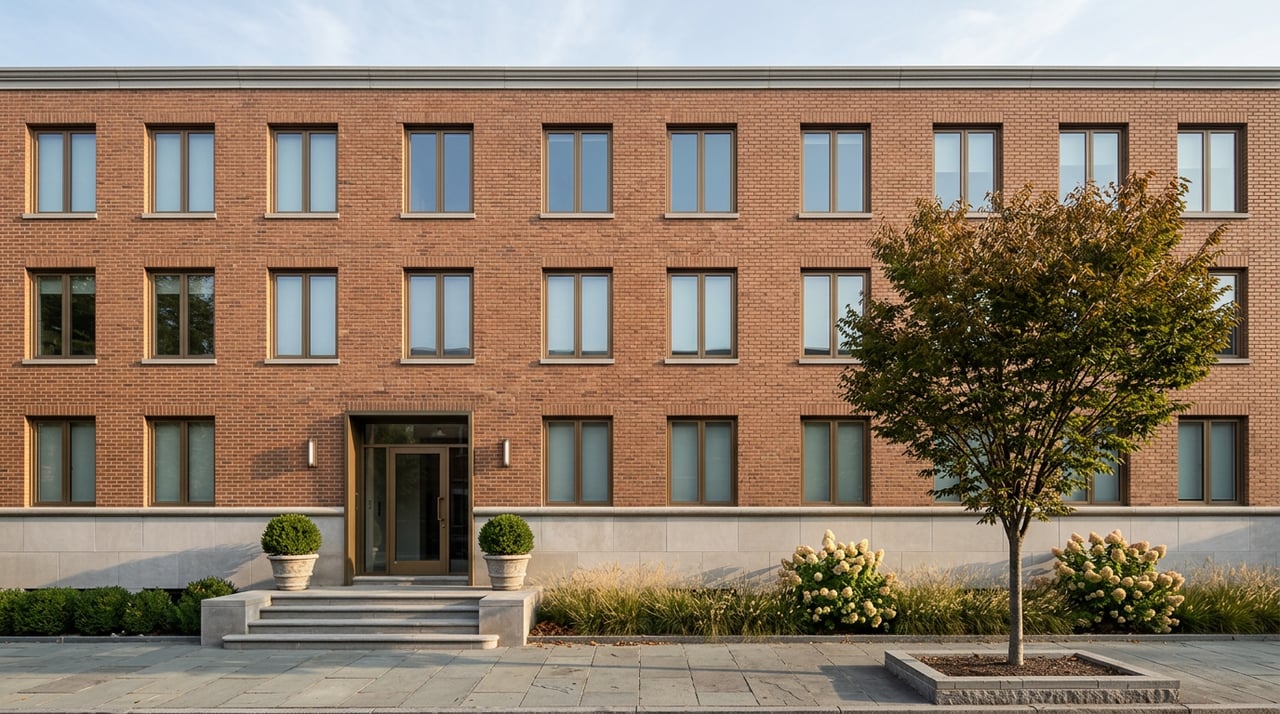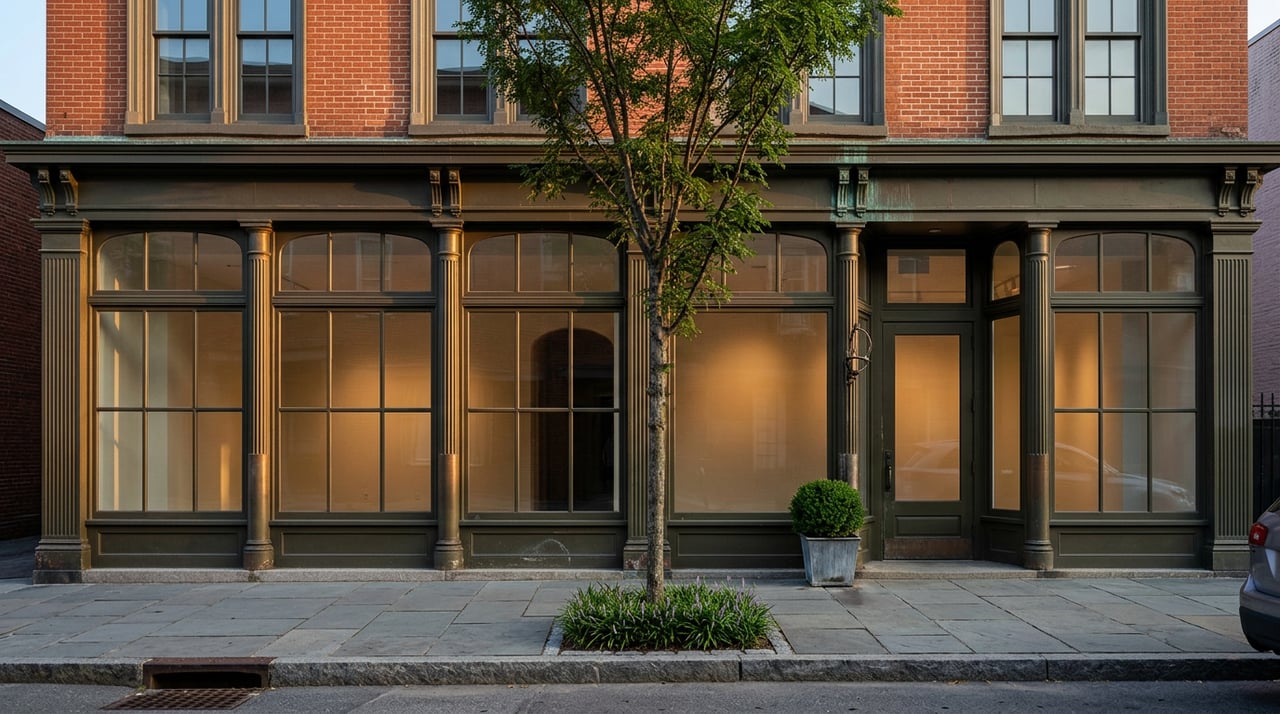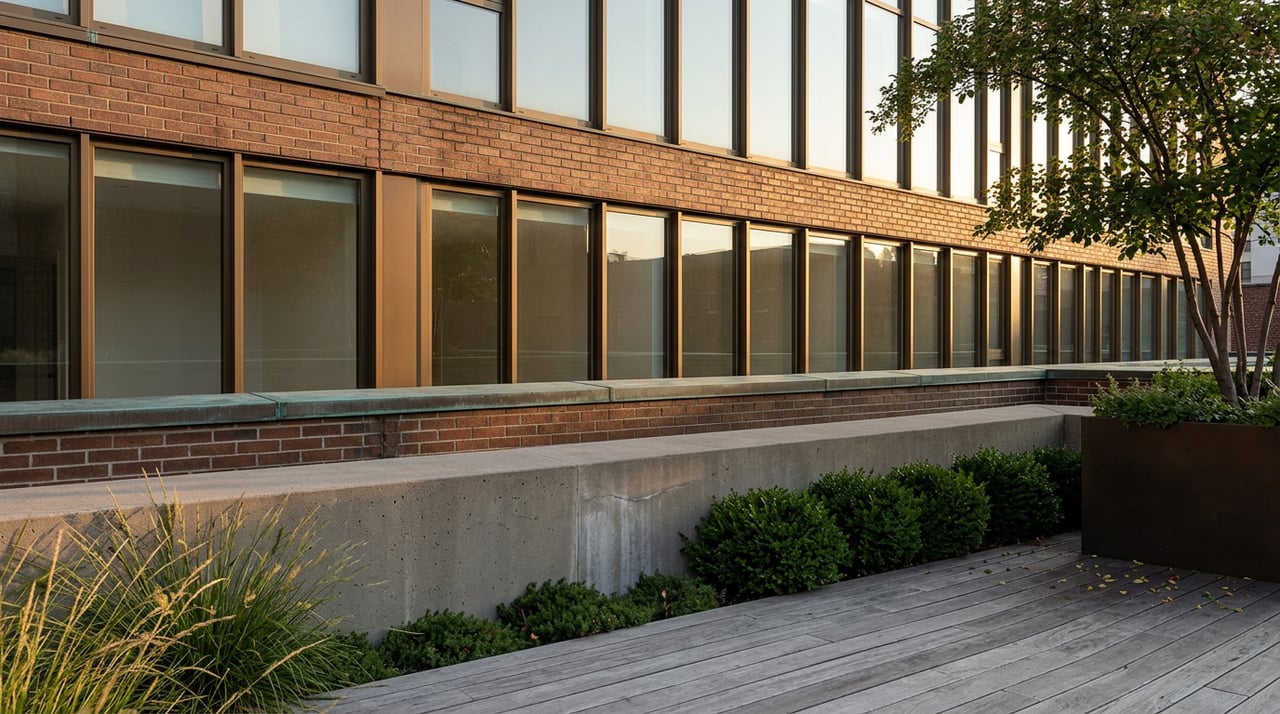
Wondering why one Tribeca loft commands a premium while another, with similar square footage, sits longer or trades lower? In this market, pricing is rarely about size alone. If you are preparing to sell, the real advantage comes from understanding how buyers, appraisers, and the market read a loft’s full story. Let’s dive in.
Tribeca pricing starts with context
Tribeca remains one of Manhattan’s most expensive downtown submarkets. As of spring 2026, StreetEasy reports a median sale price of $3.5 million, with sales moving in about two months. It also notes that renovated warehouse lofts in Tribeca can achieve some of the highest prices per square foot in the city.
That said, neighborhood-level numbers are only a starting point. In the broader Manhattan condo market, the Elliman and Miller Samuel Q4 2025 report showed a median sale price of $1.661 million, 78 days on market, a 5.9% listing discount, 3,190 units of inventory, and 8.2 months of supply. For Tribeca loft sellers, that means your pricing strategy needs to reflect both the local premium and the wider market’s negotiating reality.
Square footage is not enough
A common mistake is pricing a Tribeca loft by dollar per square foot alone. Loft buyers do care about size, but they also respond to volume, light, flexibility, and how the space actually lives. Two lofts with similar dimensions can feel very different in person, and that difference can show up in the final sale price.
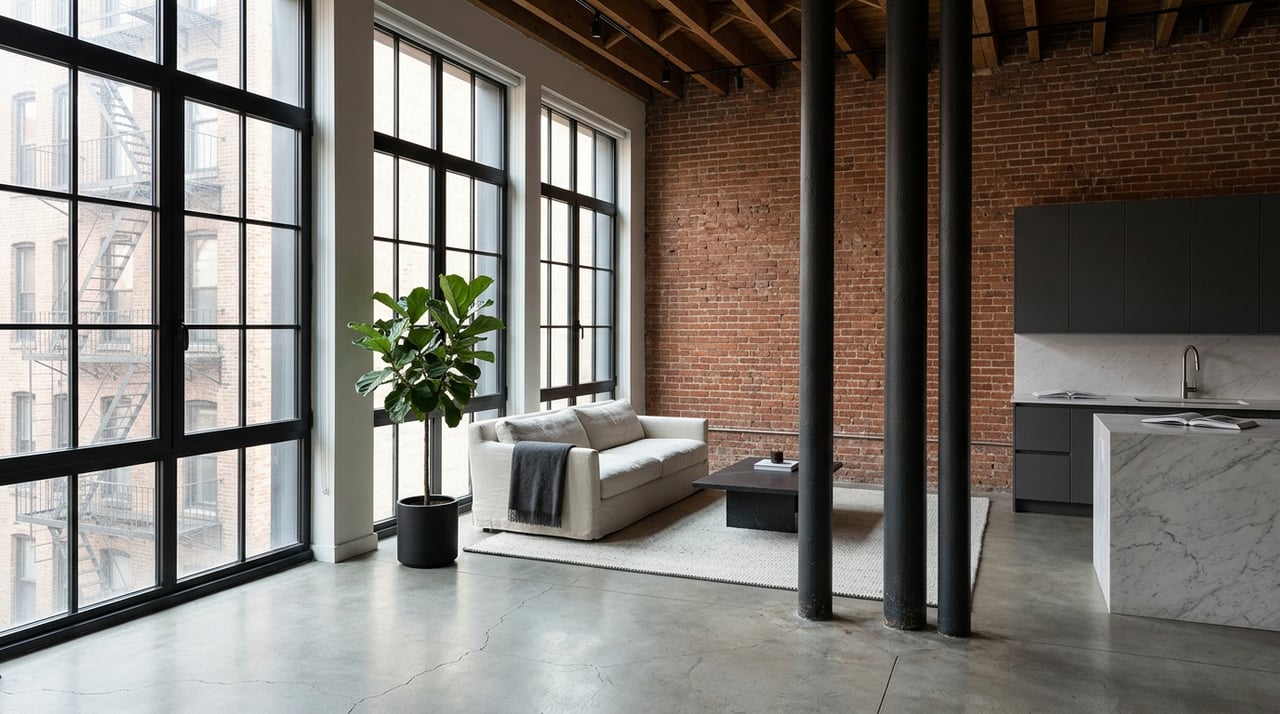
Loft specialists have long noted that openness matters as much as raw size. Load-bearing columns, broken layouts, and awkward room divisions can reduce the sense of scale. By contrast, a loft that feels expansive, airy, and adaptable often commands stronger interest because buyers are reacting to the lived experience, not just the floor plan.
What buyers pay for in a Tribeca loft
When pricing a loft, you need to look at the features that shape buyer perception and appraised value. Jonathan Miller of Miller Samuel notes that appraisers consider floor, view, light, building financials, condition, and recent comparable sales, not just square footage.
In Tribeca, several value drivers tend to matter most:
- Ceiling height: Higher ceilings can add meaningful value. Miller Samuel notes that loft ceiling-height premiums commonly run about 5% to 10%. BrickUnderground also reports that high-end loft and condo expectations have shifted toward 10-foot ceilings and above.
- Floor and privacy: Higher floors often carry more value when they clear surrounding buildings and improve privacy, light, and views.
- View and exposure: According to BrickUnderground, attractive views can add roughly 10% to 25% to sale prices. River, landmark, and skyline exposures are among the most valuable.
- Light: Open sky and strong natural light can separate one loft from another, even in the same line.
- Layout efficiency: Buyers notice whether the space feels flexible and usable.
- Condition: Renovation quality matters, but it still has to align with what the market has recently supported.
Renovation helps, but comps set the ceiling
A polished renovation can absolutely strengthen your position, especially in a neighborhood where design carries weight. Clean execution, updated systems, refined kitchens and baths, and strong visual presentation all help buyers understand the value quickly.
Still, high-end finishes do not automatically guarantee a top-tier valuation. Miller Samuel notes that appraisers may not credit expensive improvements dollar for dollar. In practical terms, the market may reward your condition and design, but only within the range supported by recent comparable sales.
That point matters in Tribeca because authentic loft character often carries its own premium. Exposed beams, cast-iron details, original proportions, and a sense of volume can matter just as much as turnkey polish. The strongest pricing strategy balances both.
Match lofts to lofts
One of the most important pricing disciplines in Tribeca is product matching. A boutique loft should be compared first to other authentic lofts or loft-style conversions, not automatically to amenity-heavy glass towers.
That distinction matters because buyer expectations differ by product type. BrickUnderground notes that newer condos often offer stronger in-unit and building amenities, while older and prewar buildings often offer larger proportions and higher ceilings but fewer amenities. It also notes that monthly charges tend to rise with amenities and staffing, which means two homes with similar asking prices can appeal to very different buyers.
Recent Tribeca examples make this clear. Properties like 391 Broadway, 28 Laight Street, and 195 Hudson all sit in the luxury category, yet they differ meaningfully in features such as keyed elevator access, exposed beams, ceiling height, terraces, storage, garage or deeded parking, doorman service, and roof access. Those differences shape value.
By contrast, buildings such as 111 Murray Street and 100 Barclay represent a different product class. These buildings offer large-scale amenity packages, full-service staffing, and in some cases dramatic tower views. If your loft is in a boutique cast-iron conversion, benchmarking it against a glass tower without careful adjustments can distort the asking price in either direction.
Build a defensible asking price
The cleanest pricing process starts with recent closed sales in the same building, if available. If there are not enough direct comps, the next step is to pull recent sales from nearby buildings with a similar loft profile, financial structure, and buyer appeal.
From there, each comp should be adjusted based on the features that actually move value. According to Miller Samuel, comparable sales should ideally come from the same building or nearby buildings with similar financial condition and maintenance fees. If the market has shifted since a comp sold, a time adjustment may also be necessary.
A practical pricing review should account for:
- Exact square footage
- Ceiling height
- Floor level
- Exposure and light
- View corridor
- Layout and openness
- Renovation condition
- Terrace or outdoor space
- Private storage
- Parking, if included
- Monthly carrying costs
- Any assessments or recent building work
This is where public records become especially useful. NYC Department of Finance annualized sales files can help verify the actual sale history behind your comp set, including neighborhood, building type, square footage, and sale price. For a seller, that creates a more defensible pricing story than relying on broad averages alone.
Presentation supports pricing power
Even the right price can underperform if the market does not understand the product quickly. In lofts, presentation is not just about aesthetics. It is about making your loft’s value legible from the first photo.
If your apartment’s strength is volume, the visuals should show volume immediately. If the value lies in quiet exposures, authentic architecture, or a rare combination of terrace, storage, and parking, the listing should make those features easy to grasp. The goal is to help buyers compare your loft to the right competitive set, not the wrong one.
In Tribeca, that can be especially important because the neighborhood includes very different luxury products under the same geographic label. A sharp presentation helps prevent buyers from mentally placing your loft beside homes that serve a different lifestyle or carry a different cost structure.
What today’s market means for sellers
Today’s market rewards precision. Tribeca remains a highly desirable neighborhood, but buyers at this level are well informed and often quick to spot overpricing. With Manhattan condo inventory and supply elevated in the latest market snapshot, a loft that enters too high may lose momentum before it reaches the right audience.
Cash is also a meaningful part of the market. The Elliman and Miller Samuel report found that 74.4% of Manhattan condo purchases in Q4 2025 were cash sales. That can support decisiveness at the luxury end, but it also means many buyers are comparison shopping from a position of strength.
For you as a seller, the takeaway is simple: ambition should be backed by evidence. The best asking price is not the highest imaginable number. It is the number that aligns your loft with the right buyers, supports appraised value, and creates confidence from day one.
A smart Tribeca loft pricing strategy
If you are listing in the next 6 to 12 months, your prep should be focused and specific. Broad neighborhood statistics are useful, but they should not lead the strategy.
Instead, build your pricing case around the details that matter most:
- Start with recent true-loft sales
- Prioritize same-building comps when possible
- Separate boutique conversions from glass towers
- Document exact dimensions and ceiling height
- Include clear notes on light, exposure, and views
- Factor in carrying costs and building economics
- Present renovation quality realistically
- Make the loft’s defining strengths obvious in the marketing
That kind of disciplined process creates a price that feels credible, competitive, and aspirational without drifting into guesswork. In a neighborhood as nuanced as Tribeca, that is often what protects both value and timing.
If you are thinking about selling a Tribeca loft, pricing is where strategy begins. For a private consultation and a data-driven positioning plan, connect with Nest Seekers Masters Division.
FAQs
Should you price a Tribeca loft by price per square foot alone?
- No. In Tribeca lofts, square footage should be considered alongside ceiling height, usable volume, layout efficiency, light, views, and building profile.
Does a high-end renovation guarantee a higher Tribeca loft appraisal?
- No. Renovation quality can help, but appraisers may not credit every upgrade dollar for dollar, and recent comparable sales still shape the valuation range.
What are the best comparable sales for a Tribeca loft?
- The best comps are recent closed sales in the same building or nearby buildings with a similar loft product, financial structure, and buyer appeal.
Why should a boutique Tribeca loft not be compared directly to a glass condo tower?
- Boutique lofts and glass towers often offer different ceiling heights, layouts, amenities, monthly charges, and buyer expectations, so direct comparisons can distort pricing.
What features add the most value to a Tribeca loft?
- The most important pricing features often include ceiling height, floor level, light, view, layout openness, condition, outdoor space, storage, parking, and monthly carrying costs.
How long are homes taking to sell in Tribeca right now?
- As of spring 2026, StreetEasy reports that sales in Tribeca are moving in about two months, though timing can vary based on pricing, product type, and presentation.