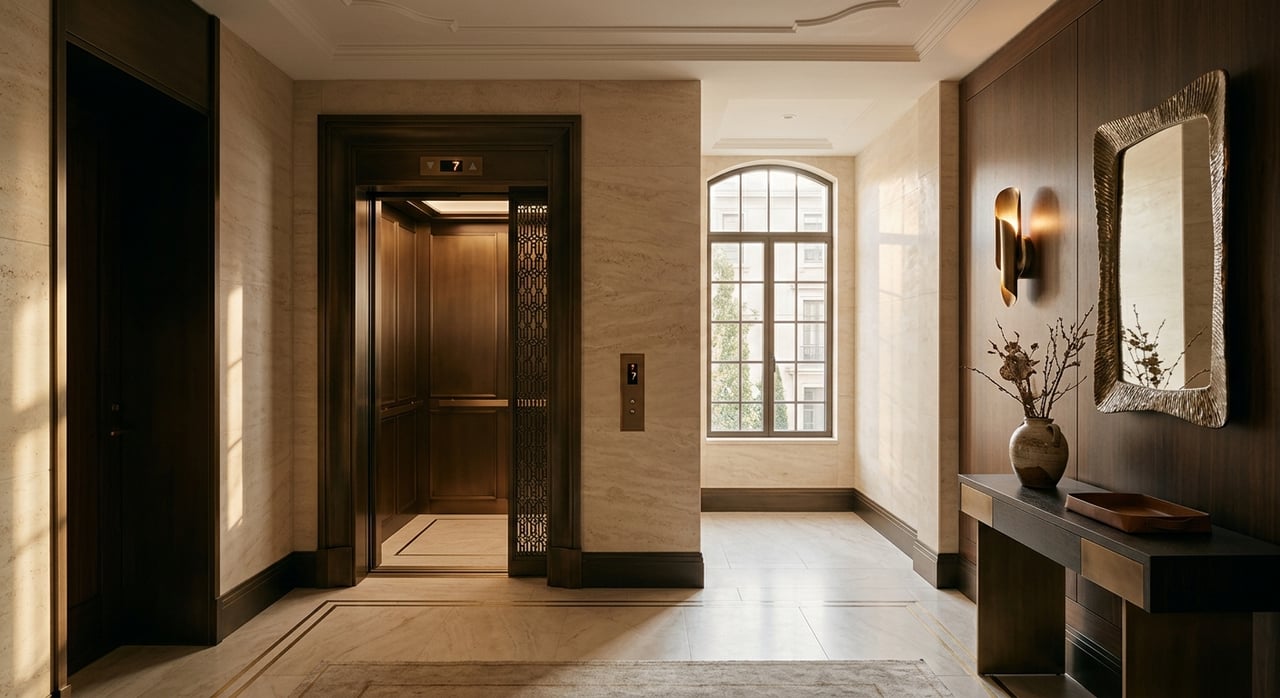
Looking at luxury real estate in Chelsea, it is easy to assume bigger always wins. In practice, many high-end buyers are not chasing the longest amenity list or the tallest tower. They are looking for privacy, design clarity, and a living experience that feels intentional from the front door to the final finish. In Chelsea, that is exactly where boutique buildings can stand out. Let’s dive in.
Chelsea rewards a tailored luxury story
Chelsea is one of Manhattan’s most design-sensitive neighborhoods. It blends new luxury condos, historic townhouse blocks, art galleries, performance venues, restaurants, and the High Line into a market with a strong lifestyle identity.
That matters because buyers here are often responding to more than square footage alone. They are weighing architecture, walkability, daily experience, and how a building fits into the surrounding neighborhood fabric. In a place as layered as Chelsea, a boutique building can feel more aligned with that mindset.
StreetEasy’s current Chelsea data shows a median sale price of $1.3 million, a median base rent of $5,500, and a median 60 days on market. It also notes that Chelsea is geographically wide, so convenience and transit access can vary by block. For luxury buyers, that makes product positioning and location-specific storytelling especially important.
Boutique scale fits Chelsea’s character
Chelsea is not a neighborhood defined by only one housing type. Alongside larger new developments, you also find preserved streetscapes, row houses, and historic districts that give the area a distinct sense of place.
The Landmarks Preservation Commission designated the Chelsea Historic District in 1970 and the West Chelsea Historic District in 2008. In designated areas, changes to buildings require advance review, which helps preserve the character of the streetscape over time.
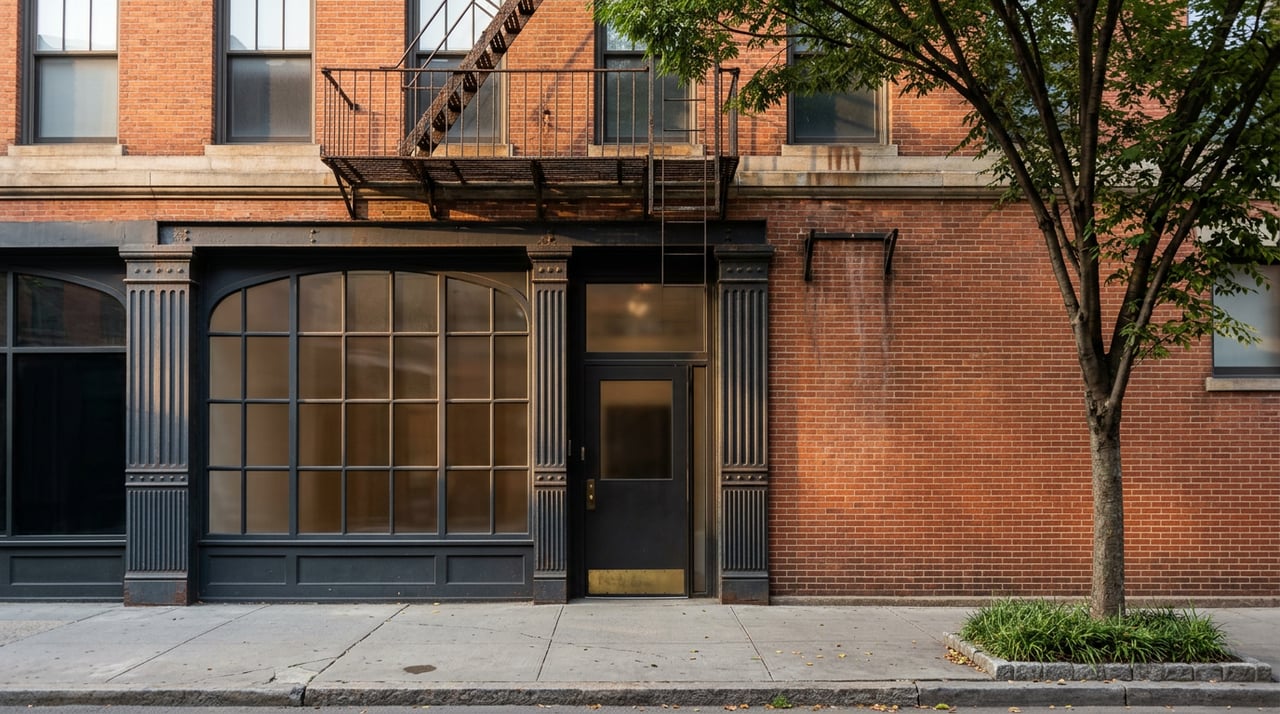
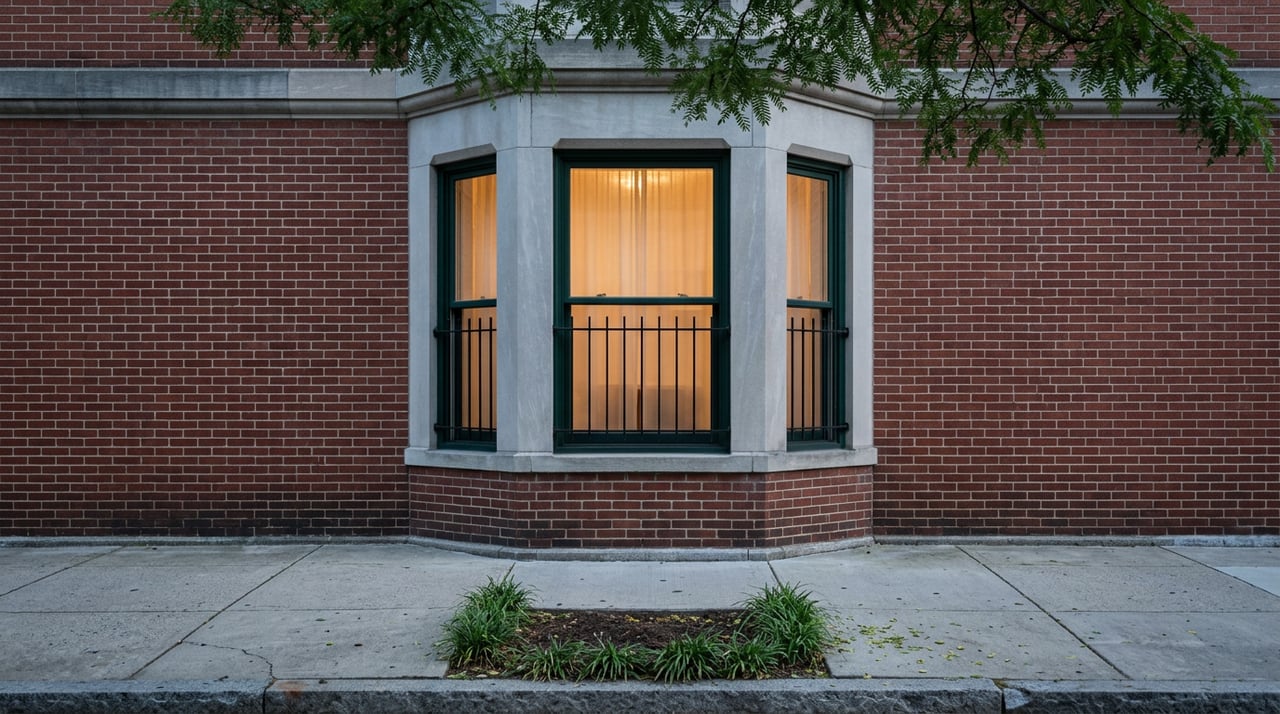
The city’s West Chelsea documentation describes many Chelsea row houses as narrow, attached 3- to 4-story homes, often 16 to 18 feet wide, with brick and brownstone facades. That history helps explain why smaller-scale residential buildings can feel natural here. They do not read like a compromise. They often read like a continuation of the neighborhood’s architectural rhythm.
Why that matters to luxury buyers
Luxury buyers in Chelsea are often buying an experience as much as a residence. A boutique building can offer a quieter arrival, fewer neighbors, and a more intimate layout that feels closer to private-home living.
That sense of scale can be especially compelling in a neighborhood known for historic texture and cultural depth. Instead of competing with Chelsea’s identity, a well-conceived boutique building can reinforce it.
Privacy is a major luxury driver
Recent luxury research points to a clear shift in buyer priorities. Affluent buyers are increasingly focused on turnkey quality, modern amenities, wellness features, advanced technology, and privacy.
Coldwell Banker’s 2025 luxury trend reporting also points to growing interest in high-end condo and boutique residential projects. It highlights that many affluent buyers value full-service living, while also placing strong importance on access to shops and parks.
In Chelsea, that combination makes sense. You can have a service-oriented home base while still living near galleries, restaurants, and the High Line. For the right buyer, the appeal is not maximum scale. It is curated convenience.
Fewer residences can create a stronger experience
In boutique buildings, a smaller resident count often changes the day-to-day feel of the property. Circulation can be quieter, common areas can feel more exclusive, and layouts may feel more individualized.
That does not mean every small building automatically wins. The point is that boutique scale gives a developer or seller the chance to deliver a more tailored product, which aligns with what many luxury buyers are signaling today.
Curated amenities often beat long amenity lists
One of the biggest misconceptions in luxury new development is that more amenities always justify higher pricing. In Chelsea, that approach can miss the mark.
The better question is whether the amenity package feels relevant to the buyer. A boutique building does not need to imitate a large tower to compete effectively. In many cases, it performs better when the offering feels selective, useful, and consistent with the building’s identity.
What buyers tend to respond to
Based on the research, luxury buyers are showing stronger interest in features such as:
- Move-in-ready quality
- Privacy and exclusivity
- Modern systems and technology
- Wellness-oriented design
- Full-service support where appropriate
- Easy access to parks, shopping, and daily conveniences
In Chelsea, that often supports a less-is-more approach. Thoughtful finishes, strong floor plans, quality service, and a polished arrival sequence can carry more weight than an oversized amenity program that feels disconnected from the building itself.
Chelsea buyers notice context and design
Chelsea’s identity is unusually strong for a downtown residential neighborhood. StreetEasy highlights its mix of galleries, dining, historic townhouse pockets, and access to the High Line. The Whitney Museum also describes Chelsea as bordering a gallery-rich district, while the High Line is recognized as a unique public park.
For luxury buyers, this gives the neighborhood a built-in narrative. Architecture and atmosphere matter here because buyers are choosing a way of living, not just an address.
Boutique buildings can tell that story better
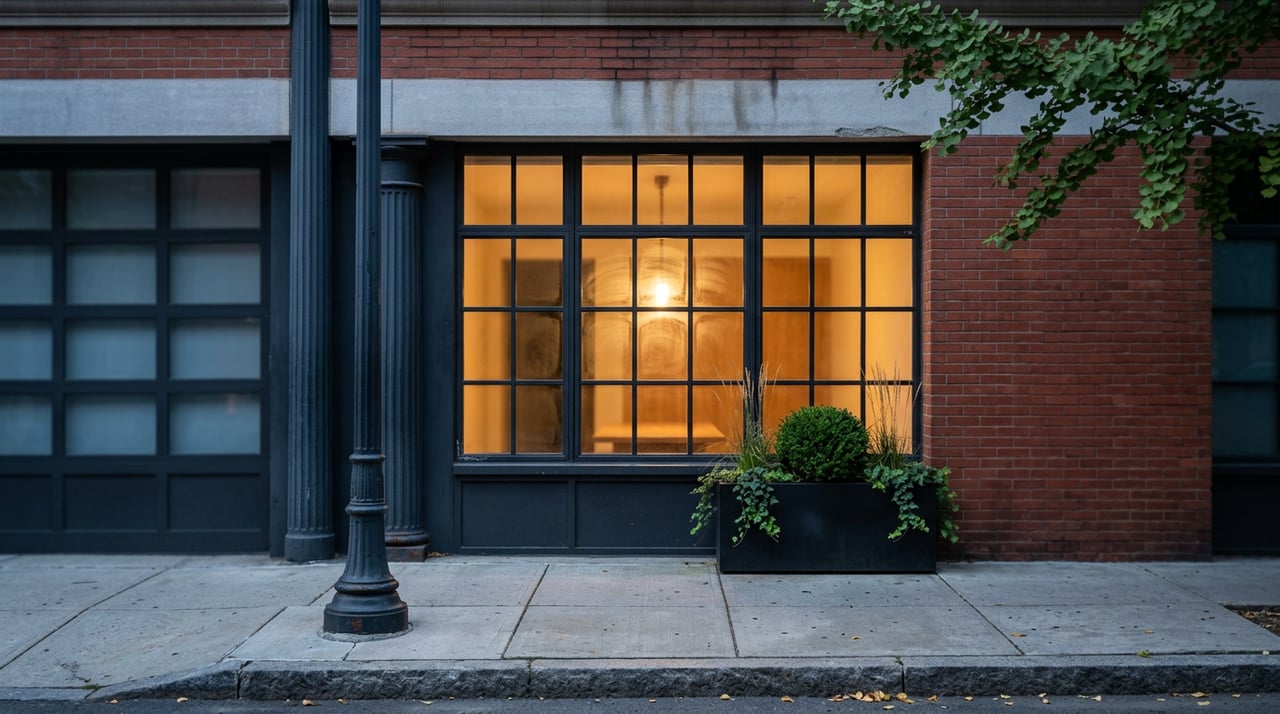
A boutique property can often express a clearer point of view. The facade, lobby, materials, floor-through or limited-floor layouts, and overall sense of arrival can feel more coherent when the building is designed around a smaller number of residences.
That coherence is valuable in a market where buyers are becoming more selective. Rather than overwhelm buyers with choices, a boutique building can present a focused experience that feels deliberate and complete.
Pricing still has to be precise
Even in a prestigious submarket, boutique product does not get a free pass on pricing. Manhattan’s new-development market data shows a disciplined environment where execution matters.
Douglas Elliman’s Q1 2025 Manhattan new-development report recorded 415 contracts signed, $1.87 billion in dollar volume, a median price per square foot of $2,025, and a median price of $2.75 million. Inventory was down 14% to 4,066 units, with 245 units launched across six projects.
That same report notes that many projects are launching closer to occupancy. This reflects a market that rewards readiness, clarity, and reduced execution risk.
Why pricing discipline matters in Chelsea
StreetEasy’s 2026 NYC market recap describes the city as highly hyper-local and notes that Manhattan continues to dominate the luxury segment. It also says the luxury tier has outperformed much of the broader market after a brief slowdown, while pricing precision remains important as sellers adjust expectations.
For a boutique Chelsea building, that means pricing should reflect the exact buyer profile, block-level context, and true quality of the product. The story cannot rely on a generic luxury label. It has to be specific, credible, and supported by the lived experience the building delivers.
The best boutique buildings feel intentional
When boutique Chelsea buildings win, they usually do three things well. First, they deliver privacy in a meaningful way. Second, they offer a curated product instead of a bloated one. Third, they connect the home to Chelsea’s architecture, culture, and street-level energy.
That combination is powerful because it matches current luxury demand. Buyers are not simply looking for more. They are looking for better.
For sellers and developers, this creates a clear strategy. Lead with design integrity, resident experience, and location-specific value. Support that with data-informed pricing and presentation that feels refined from the start.
If you are evaluating a boutique property in Chelsea, or positioning one for sale, the real advantage is not just that the building is smaller. It is that the right smaller building can feel more private, more polished, and more in tune with how luxury buyers want to live today.
If you want expert guidance on Chelsea luxury resale, boutique new development positioning, or a data-driven go-to-market strategy, request a private consultation with Nest Seekers Masters Division.
FAQs
Why do boutique buildings appeal to luxury buyers in Chelsea?
- Boutique buildings often offer greater privacy, fewer residences, and a more tailored design experience, which aligns with current luxury buyer preferences in Chelsea.
How does Chelsea’s architecture support boutique development?
- Chelsea includes historic districts, narrow row-house streetscapes, and a strong preservation identity, which can make smaller-scale residential buildings feel more natural in the neighborhood.
What amenities matter most to Chelsea luxury buyers?
- Research suggests buyers are prioritizing move-in-ready quality, privacy, modern features, wellness elements, and convenient access to parks, shops, and neighborhood amenities.
How should boutique Chelsea properties be priced?
- They should be priced with precision based on the specific block, buyer profile, product quality, and competitive luxury inventory rather than broad luxury-market assumptions.
Are bigger luxury buildings always more competitive in Chelsea?
- Not necessarily. In Chelsea, a well-designed boutique building can compete strongly by offering a more coherent, private, and neighborhood-aligned living experience.