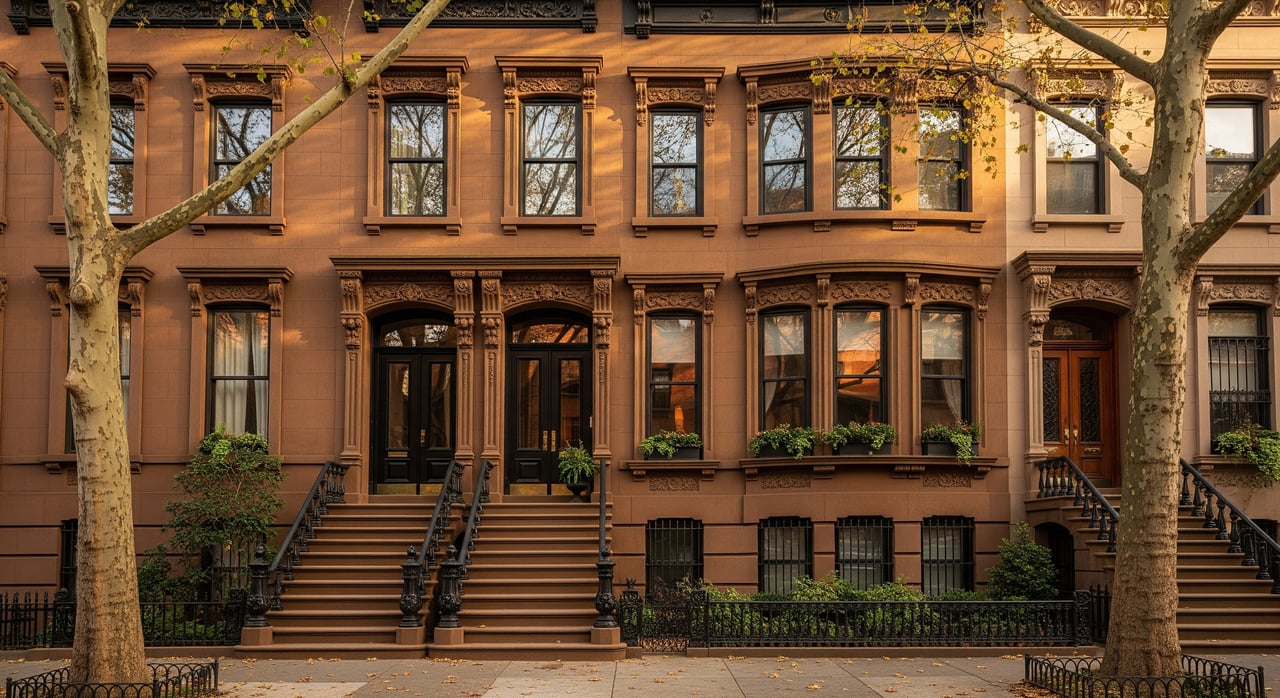
Curious what makes Park Slope’s brownstones so captivating, and how to tell one style from another on a weekend stroll or a private tour? If you are eyeing a townhouse, understanding the architecture is more than a history lesson. It shapes light, layouts, renovation choices, and long-term value. In this guide, you will learn how to identify Italianate, Neo-Grec, and Romanesque Revival homes, what their interiors typically offer, and how to plan upgrades within Park Slope’s landmark context. Let’s dive in.
Park Slope context
Most Park Slope rowhouses rose between the 1860s and 1890s as Brooklyn grew after the Civil War. Builders adopted newer styles over time, which is why you see block-by-block variation across the neighborhood. Many streets fall within the Park Slope Historic District, so exterior changes often require review by the New York City Landmarks Preservation Commission.
Typical homes are about 18 to 22 feet wide, with three to four full stories above a garden or English basement. Parlor floors usually have the highest ceilings, with upper levels slightly lower. Brownstone is a sandstone facing that weathers over time, so façade care and stone repair are common maintenance priorities in Park Slope.
Italianate essentials
Italianate homes are among the earlier brownstones you will find in Park Slope, most often from the 1860s to 1870s.
Exterior cues:
- Tall, narrow windows with round or segmental arches and pronounced crowns.
- A strong projecting cornice with decorative brackets.
- A raised stoop to a parlor-floor entry, with carved stone or cast-iron details.
- Smooth or rusticated brownstone and balanced, symmetrical façades.
Interior experience:
- A formal parlor floor with high ceilings, often about 11 to 14 feet.
- Front and rear parlors separated by a stair or hallway, plus tall windows for excellent light.
- Heavier moldings, plaster cornices, and substantial fireplace mantels.
- Original kitchens were typically on the garden level, though many renovations bring the kitchen to the parlor floor.
Renovation notes:
- Arched window openings can limit standard replacement options and often require approvals.
- These generous proportions are ideal if you want an open living-dining layout that still showcases original details.
Neo-Grec essentials
Neo-Grec became popular from the late 1860s into the 1890s as tastes shifted to sharper, more geometric ornament.
Exterior cues:
- Angular, incised details and geometric motifs such as Greek key patterns.
- Blocky cornices with refined linear carving rather than large scroll brackets.
- Flat window lintels with stylized keystones and crisp, rectilinear frames.
- Brownstone façades or brick with brownstone trim.
Interior experience:
- Layouts similar to Italianate homes, with a formal parlor floor and bedrooms above.
- Parlor ceilings still generous, often about 11 to 13 feet, with more restrained interior trim.
Renovation notes:
- Incised brownstone ornament requires careful matching. Profiles should mimic the sharp, angular character.
- Later construction sometimes means more standardized framing and plumbing, but major wall changes still demand structural planning.
Romanesque Revival essentials
Romanesque Revival, including Richardsonian Romanesque influences, appears in Park Slope mostly from the 1880s to 1890s. These houses emphasize mass and depth.
Exterior cues:
- Heavy masonry, rough-cut stone, and deeply recessed entries.
- Broad round arches over windows, doors, and stoop openings, sometimes grouped in arcades.
- Asymmetry with projecting bays; on wider buildings you may see turrets, though less common on narrow rows.
- Mixed textures and materials, such as brick contrasted with stone.
Interior experience:
- Arched interior openings and deep window niches are common.
- Parlor ceilings remain generous. Heavier masonry may make major reconfigurations more complex and structural work more involved.
Renovation notes:
- Deep wall thickness can create dramatic window seats and niches.
- Masonry matching and careful repointing matter for appearance and long-term durability.
Typical townhouse layout
A classic configuration looks like this:
- Parlor floor: formal living and dining, highest ceilings, front and rear parlors.
- Second floor: main bedroom level.
- Third and fourth floors: additional bedrooms or flexible rooms for office, gym, or media.
- Garden or English basement: the original service level with lower ceilings and a separate entrance.
Widths tend to be narrow, so rooms are deeper front to back. Daylighting relies on front and rear windows, plus lightwells where present.
Garden floor living
The garden floor often has its own entrance below the stoop and, in Park Slope, can receive good natural light.
Common modern uses:
- Everyday family kitchen that opens to the garden for indoor-outdoor flow.
- Guest or in-law suite, or a rental garden apartment where allowed.
- Home office, media room, laundry, and mechanicals.
What to know before you build out:
- Legal rentals depend on permits, egress, ceiling heights, and approvals through the NYC Department of Buildings. Always verify the Certificate of Occupancy.
- Habitable rooms must meet egress and light requirements. Window wells, stair configurations, and fire separation can affect design.
- Moisture control is critical. Older basements often need waterproofing, proper drainage, and sometimes sub-slab vapor barriers before finishing.
Buyer takeaway: If you plan to make the garden level a primary living space, budget for waterproofing and systems upgrades. For any garden apartment marketed as a rental, confirm legal status and separate utilities where applicable.
Renovation and permits
Park Slope’s landmark context shapes how you plan and permit work.
Exterior and materials:
- The Landmarks Preservation Commission typically reviews visible exterior changes such as stoops, façade restoration, window replacement, and cornice work.
- Historic window and door profiles are considered character-defining. Repair and in-kind replacement are often preferred.
- Original brownstone should be matched in color, tooling, and profile. Accepted restoration methods include patching and careful repointing.
Structure and systems:
- Rowhouses rely on load-bearing party walls and joists. Opening major partitions may require steel beams and careful shoring.
- Kitchens and baths follow vertical plumbing stacks. Relocating them often needs new vents and well-planned runs within a narrow footprint.
- Modern HVAC and laundry are expected. Mini-splits, compact ducting, and discreet chases can deliver comfort without compromising historic fabric.
Moisture and maintenance:
- Brownstone is softer than many stones and can spall from freeze-thaw cycles. Routine roof, gutter, and façade maintenance protects your investment.
- Energy upgrades often focus on insulation, air sealing, and preservation-friendly window strategies such as interior storms.
What adds value
Period character plus livable upgrades tend to resonate most with Park Slope buyers.
High-impact features:
- Open kitchens that connect to gardens or to gracious parlor rooms.
- En suite primary baths and additional bathrooms.
- Preserved elements like mantels, moldings, pocket doors, and original staircases.
- Quiet offices and flexible upper-floor rooms for hybrid work.
- Legal garden units that provide income potential, where permitted and properly approved.
Buyer segments vary. Some want fully restored period interiors, while others prioritize turnkey convenience. Align your renovation scope and timeline with your goals and the likely target market.
Quick style checklists
Italianate:
- Look for bracketed cornices, rounded or segmental window arches, molded door hoods, and rich carved trim.
Neo-Grec:
- Look for angular incised ornament, flat lintels with stylized keystones, and blockier cornices.
Romanesque Revival:
- Look for rough-cut stone, deep arches, recessed entries, and a heavier, more sculptural façade.
Pre-purchase checklist
- Confirm whether the home sits within the Park Slope Historic District and note any LPC considerations.
- Review Department of Buildings and Department of Finance records for permits, open violations, and the Certificate of Occupancy.
- Engage an architect or contractor experienced with Brooklyn rowhouses to assess structure, masonry, roof, stoop, moisture, and mechanical systems.
- For garden rentals, verify legal occupancy and any prior alterations that could affect approvals or financing.
A Park Slope brownstone offers a rare blend of architectural pedigree and everyday livability. When you understand the style, you can predict the floor plan, anticipate the renovation path, and focus on features that deliver the best experience and long-term value.
Ready to tour homes that fit your vision or discuss a strategic sale? Request a private consultation with the Nest Seekers Masters Division.
FAQs
What defines a Park Slope brownstone style?
- Italianate, Neo-Grec, and Romanesque Revival styles each have distinct façade details, window shapes, and cornices that reflect their 1860s to 1890s construction eras.
How tall are parlor-floor ceilings in Park Slope homes?
- Parlor ceilings typically range about 11 to 14 feet, with upper floors usually between about 8.5 and 10 feet.
Do Park Slope exterior changes need Landmarks approval?
- Most exterior work visible from the street, such as window, stoop, or façade changes, requires review by the New York City Landmarks Preservation Commission.
Is a garden apartment automatically a legal rental?
- No, legal status depends on Department of Buildings approvals, egress, ceiling heights, and the Certificate of Occupancy, which you should always verify.
Can I create an open kitchen in a landmarked brownstone?
- Often yes, but opening structural walls can require steel and permits; many owners place an open kitchen on the parlor or garden level while preserving character.
What maintenance is unique to brownstone façades?
- Brownstone is a softer sandstone that can spall from freeze-thaw cycles, so routine masonry repair, repointing, and moisture control are key.