Trying to choose between a glassy waterfront condo and a character-filled loft a few blocks inland in Williamsburg? It is a real lifestyle decision, and the right fit depends on how you live day to day. In this guide, you will compare what you get with each option, the tradeoffs to expect, and the key due diligence to do before you write an offer. By the end, you will have a clear plan to move forward with confidence. Let’s dive in.
Williamsburg at a glance
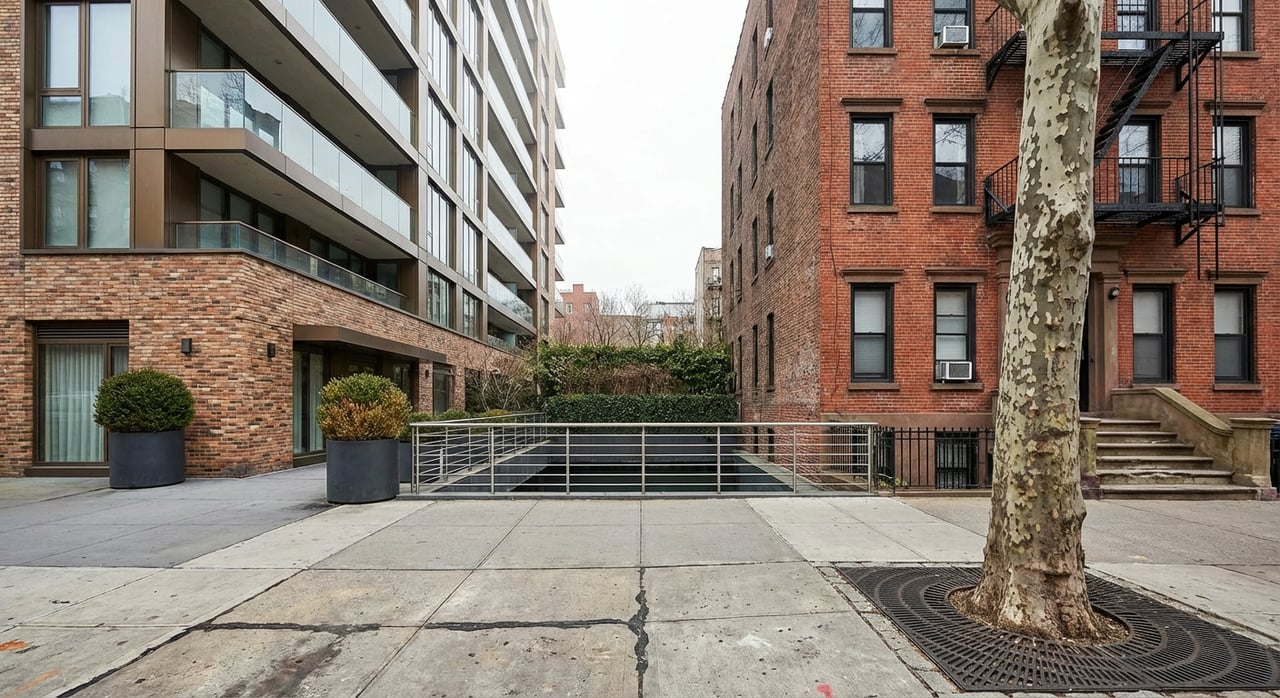
Williamsburg stretches from the East River inland across Bedford Avenue toward Flushing and Division. The waterfront along Kent Avenue has seen major new development, while inland blocks host converted warehouses, lofts, prewar walk-ups, and brownstones. This mix explains why you see both gleaming towers and brick industrial buildings within a short walk. For a quick neighborhood snapshot, review this overview of Williamsburg’s geography and housing types that highlights the riverfront versus inland character shifts. Read the neighborhood snapshot.
Over the past decade, the Domino Sugar masterplan reshaped the shoreline, reconnected the riverfront to the neighborhood, and created today’s skyline anchors around Domino Park. The park and public realm upgrades increased demand for adjacent housing and made the esplanade a daily lifestyle amenity. You can see how this transformation redefined “waterfront Williamsburg” in this feature on the project’s impact. See how Domino Park reshaped the waterfront.
What you get in a waterfront condo
Waterfront condos usually deliver modern, turnkey living. Expect floor-to-ceiling windows, contemporary mechanicals, and full-service amenity suites that may include pools, fitness centers, lounges, coworking areas, bike rooms, parking options, and staffed lobbies. Buildings are designed for convenience and comfort, with predictable finishes and accessibility in mind. For a feel of the design and amenity approach, explore One Domino Square, a Selldorf Architects condo within the Domino masterplan. Preview One Domino Square.
Waterfront addresses also prioritize daily lifestyle. You have immediate access to Domino Park, the riverwalk, and ferry connections, plus iconic views across the East River toward Manhattan. This activated waterfront is a key reason many buyers target these buildings. Learn more about the waterfront’s draw.
Local examples
- One Domino Square: New condo tower with curated amenities and wide skyline and water views. Explore the project.
- One South First and other Domino buildings: A large mixed-use collection by Two Trees with rentals, office, retail, and park adjacency that illustrates the scale and diversity of the waterfront’s redevelopment. See the broader Domino masterplan context.
Waterfront condo tradeoffs to weigh
Even with strong lifestyle value, waterfront condos come with tradeoffs you should understand early.
Pricing and monthly carrying costs
Waterfront towers typically command a premium for views, location, and new finishes. Amenity-rich buildings also carry higher common charges to fund staffing and operations. Ask your agent for recent comps and a clear picture of monthly fees before you tour.
Financing and warrantability checks
After the Surfside collapse, Fannie Mae and Freddie Mac made permanent changes to condo project reviews. Buildings with deferred maintenance, low reserves, litigation issues, or limited insurance can be considered non-warrantable for conforming loans, which can narrow financing options for future buyers. This matters for both your purchase and resale planning. Review the post-Surfside financing changes.
Flood exposure and resiliency
Waterfront sites may be in mapped floodplains. Many new projects elevate mechanicals and harden ground floors, but you should still assess a building’s design flood elevation, insurance history, and resiliency features. Use the NYC Flood Hazard Mapper to check a specific address and projected future high-tide or storm scenarios. Check flood risk by address.
Quick due diligence for waterfront condos
- Request the condo questionnaire, HOA budget, reserve study, and meeting minutes.
- Review master insurance declarations and any recent or planned special assessments.
- Confirm whether the building is warrantable with your lender.
- Ask for details on resiliency design, floodproofing, and building elevation relative to FEMA maps. For a helpful financing checklist, start here. See a condo financing guide.
What you get in a converted loft
When buyers say “loft” in Williamsburg, they usually mean a converted warehouse or industrial building with high ceilings, large windows, open spans, and exposed materials like brick, timber, or steel. These hard lofts prioritize volume and character over amenities. Soft lofts are newer buildings that mimic the look. If you value flexible layouts and distinctive texture, a loft can deliver it in spades. Understand how NYC defines lofts.
Many classic Williamsburg lofts sit a few blocks inland from Kent Avenue. Well-known examples include warehouse conversions like 330 Wythe and larger creative communities such as 475 Kent. These buildings often trade full-service offerings for space, scale, and authenticity.
Loft tradeoffs to weigh
Lofts can be inspiring spaces, but you should plan for a different ownership profile than a new tower.
Amenities and operating realities
Most loft conversions do not offer resort-style amenities. You may not have a doorman, package management, or an indoor pool, and some smaller buildings have limited storage or shared laundry. Higher ceilings can also mean different heating and cooling performance.
Legal status and certificates
Some loft buildings have special legal statuses under New York’s Loft Law and may lack a conventional residential Certificate of Occupancy until they complete a legalization path through the Loft Board and Department of Buildings. Always verify a building’s status, open violations, and any pending steps in the legalization process. Start with the NYC Loft Board. If a building is in process, your architect and attorney will rely on DOB guidance for required filings and inspections. Review DOB guidance on Loft Law projects.
Market niche and resale
Hard lofts appeal to a specific buyer set that prioritizes space and character. That can mean fewer comparable properties and a more specialized buyer pool. Standout spaces in prime locations can still be highly competitive, but marketing strategy and documentation will matter.
Quick due diligence for lofts
- Confirm Loft Law or IMD status, the C of O path, and any DOB violations.
- Ask for records of major system upgrades, façade work, and fire or sprinkler compliance.
- Review board or owner history, engineering reports, and elevator status if applicable.
Which lifestyle fits you
Choosing between a waterfront condo and a loft comes down to your daily routine and design taste.
You might prefer a waterfront condo if you want
- Convenient, low-maintenance living with modern systems.
- Full-service amenities and staffed services.
- Immediate access to Domino Park, the riverwalk, and ferry options. See how the waterfront became a lifestyle hub.
- Predictable finishes in a contemporary setting. For an example of the design ethos, take a look at One Domino Square. Preview One Domino Square.
You might prefer a loft if you want
- Large, flexible interiors for living, working, and creating.
- Authentic materials and architectural character.
- Fewer in-building services in exchange for volume and texture.
- A neighborhood feel a few blocks off the esplanade. Learn what defines a loft.
Your decision checklist
Use this side-by-side checklist to focus your search and shorten your due diligence timeline.
If you lean waterfront condo
- Review the HOA budget, reserve study, and minutes for upcoming capital projects.
- Confirm warrantability with your lender and ask for the condo questionnaire early. See a financing checklist.
- Analyze common charges, staffing levels, and amenity operating costs.
- Verify flood exposure and resiliency measures at the building. Check the NYC Flood Hazard Mapper.
If you lean loft or historic walk-up
- Confirm Loft Law or IMD status and the Certificate of Occupancy path. Start with the Loft Board.
- Review DOB records for permits, violations, and inspection history. See DOB Loft Law guidance.
- Request documentation for major upgrades like windows, roof, risers, boiler, and fire systems.
- Clarify building services, storage, and any house rules that affect how you want to live.
The bottom line
Waterfront condos in Williamsburg offer a high-convenience lifestyle with modern systems, wide views, and a park-and-esplanade setting. Converted lofts trade amenities for volume, flexibility, and character a few blocks inland. Both choices can be excellent investments when you match the product to your routine and complete smart due diligence on financing, building health, and legal status.
When you are ready to compare specific buildings, we can pair lifestyle goals with real numbers, coordinate lender and legal checks, and curate a short list of properties to tour. Request a private consultation with the Nest Seekers Masters Division to start your search.
FAQs
What does “waterfront Williamsburg” include?
- It generally refers to the Kent Avenue corridor and adjacent blocks anchored by Domino Park and the Domino Sugar masterplan, where new mixed-use towers line the East River. See how the redevelopment shaped the area.
How do common charges typically compare in waterfront condos?
- Amenity-rich, full-service buildings often carry higher monthly common charges to fund staffing and operations. Review each building’s HOA budget and reserve study to understand your true monthly carry.
What is a non-warrantable condo and why does it matter for buyers?
- If a building has issues like low reserves, deferred maintenance, or litigation, it may not meet Fannie Mae or Freddie Mac project standards, which can limit conventional loan options and affect resale. Read a summary of the rules.
How can I check flood risk for a specific waterfront building?
- Use the NYC Flood Hazard Mapper to view current flood zones and future high-tide or storm projections, then ask the building for resiliency details like elevated mechanicals and floodproofing. Check an address here.
What should I confirm about a loft’s legal status before making an offer?
- Verify Loft Law or IMD status, the Certificate of Occupancy path, open DOB violations, and the status of required upgrades. Start with the Loft Board and review DOB guidance. Loft Board and DOB Loft Law guidance.