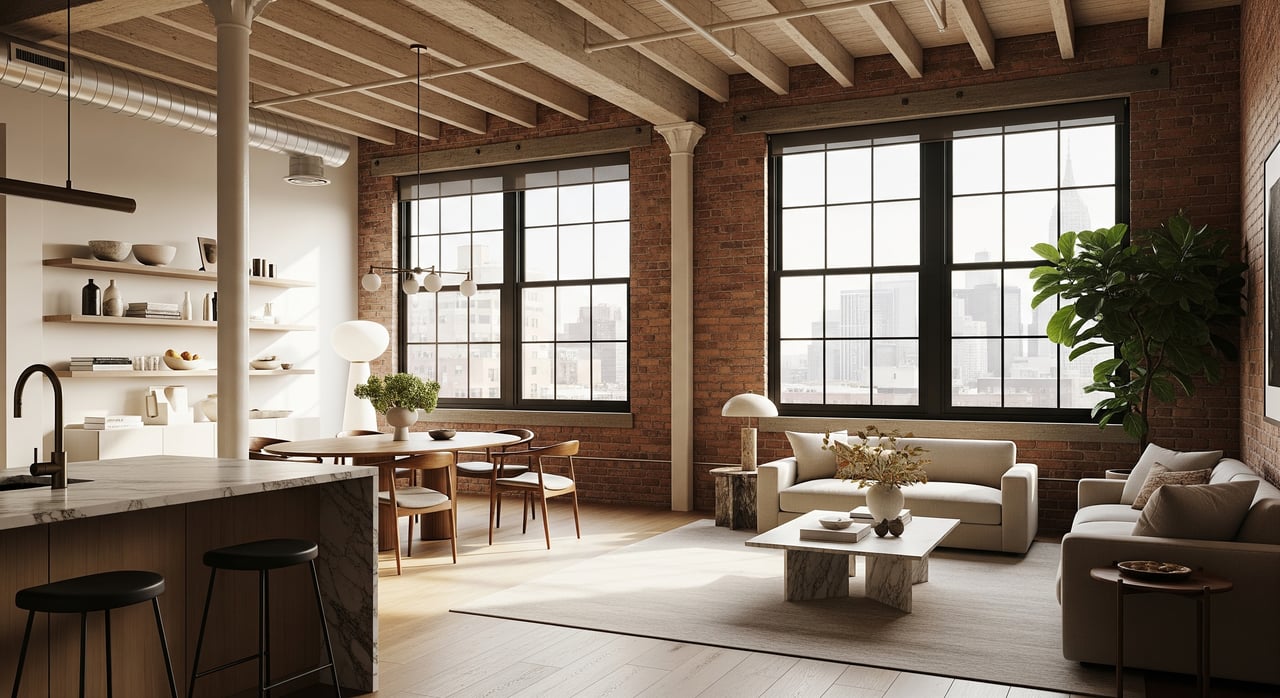
Imagine stepping into a great room where daylight pools across wide-plank floors and ceilings soar above you. If you are drawn to flexible space, gallery-worthy walls, and honest materials, a Tribeca loft can feel like a perfect fit. In this guide, you will learn how to read a loft’s architecture, evaluate light and layout, navigate historic and legal rules, and weigh value drivers before you buy. Let’s dive in.
What defines a Tribeca loft
A Tribeca loft is more than an address. It blends volume, light, and authentic materials with a layout that supports modern living.
Signature features to look for
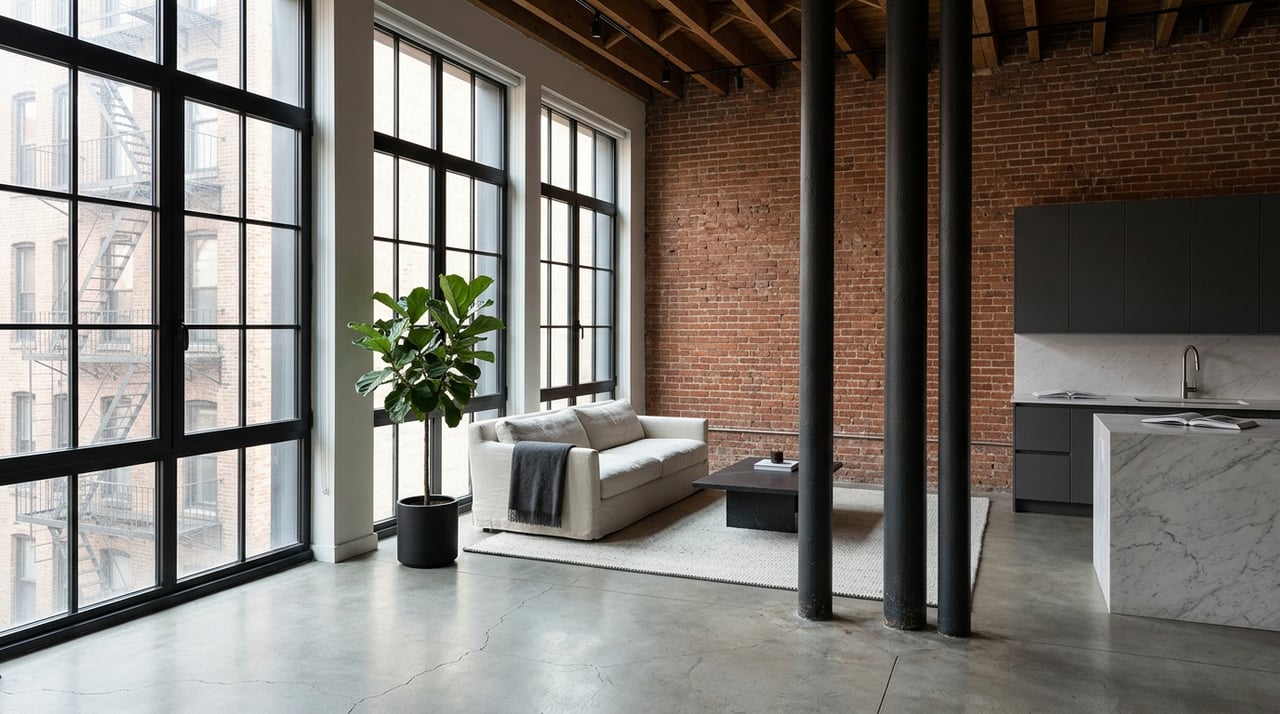
- Ceiling height: Many lofts offer 12 to 18 feet of clear height, with occasional double-height spaces in duplexes.
- Large factory-style windows: Multi-pane steel or wood frames invite deep natural light and long views.
- Exposed structure: Brick walls, timber beams, and cast-iron or steel columns often serve as focal points.
- Open floor plates: Fewer interior walls create flexible zones for living, dining, and art display.
- Industrial finishes: Polished concrete, original hardwood planks, reclaimed wood, and metalwork are common.
- Mezzanines and lofted levels: Many duplexes add sleeping suites or studios above the main living area.
Common floor plan types
- Single-level open loft: One expansive great room with partitioned or glass-enclosed bedrooms.
- Converted one to two bedroom: Bedrooms carved from large volumes, balancing privacy with openness.
- Duplex or triplex: Public spaces below, private suites above, connected by statement staircases.
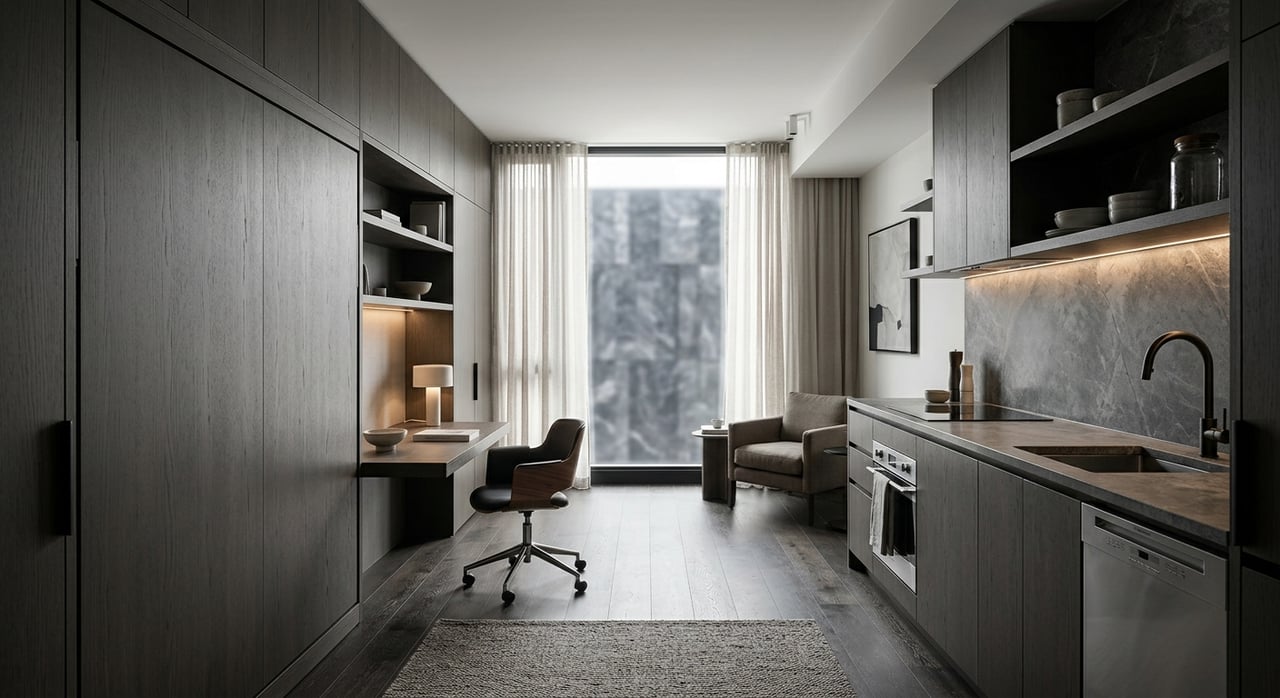
- Penthouse or new-construction loft-style: Larger terraces, modern glazing, and contemporary finishes.
- Live-work legacy layouts: Large studios with minimal partitions in some buildings with historic live-work status.
Building types and ownership
Tribeca’s building stock ranges from 19th-century warehouses to modern luxury towers. Ownership structure shapes flexibility and costs.
Conversions vs. new construction
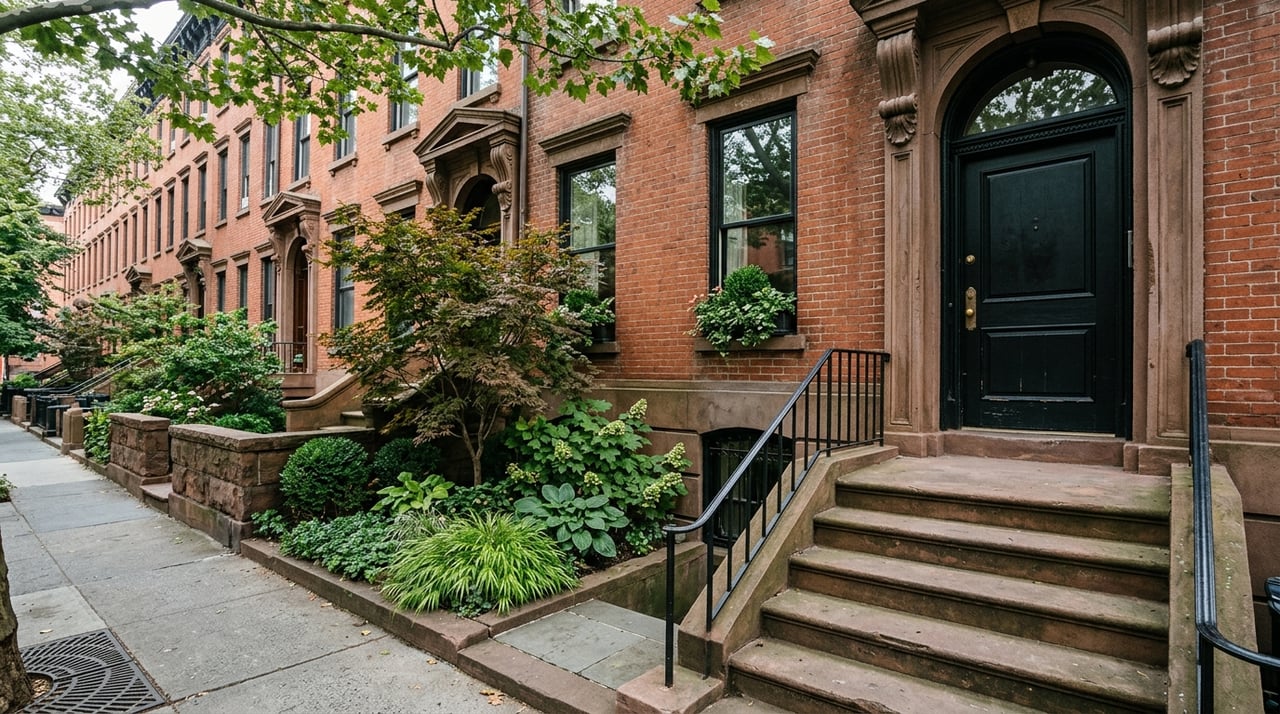
- Warehouse conversions: Brick or cast-iron exteriors with preserved details and large, character-rich volumes.
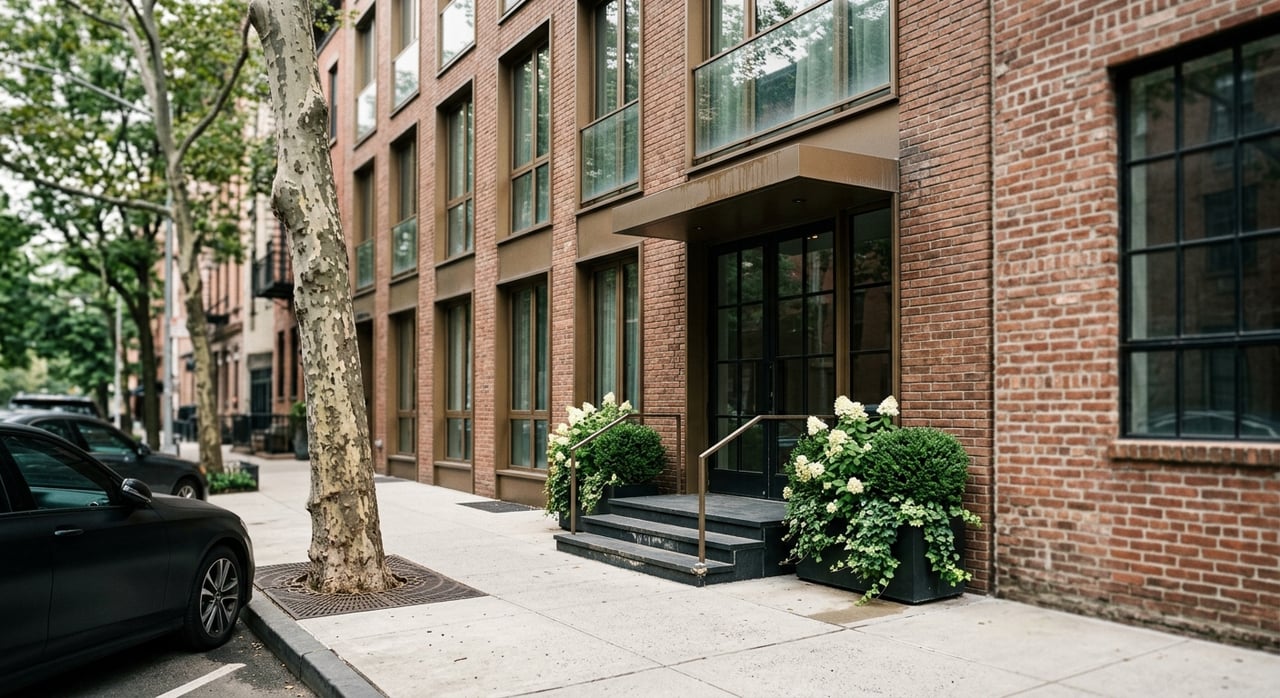
- Purpose-built loft-style buildings: Modern systems and glazing that echo the loft aesthetic.
- Luxury towers and high-end conversions: Full-service amenities paired with loft-like proportions.
Co-op, condo, or rental
- Co-ops: Often in older conversions. Boards may set rules for renovations and subletting.
- Condos: Typically more flexible for owners, subject to building rules and city approvals.
- Rentals: Offer loft living without ownership responsibilities, though customization is limited.
Historic and legal context
Parts of Tribeca sit within designated historic districts. Understanding approvals and legal status helps you plan upgrades and financing.
Landmark districts and exterior changes
In landmarked areas, exterior alterations, including window changes, usually require review by the NYC Landmarks Preservation Commission. Interior work is generally more flexible, but any window or facade modification that is visible from the street needs LPC approval.
Loft legality and certificates of occupancy
Confirm that any unit you consider is legal for residential use and has a valid certificate of occupancy. Certain former commercial spaces follow rules overseen by the NYC Loft Board. For permits and compliance questions, consult the NYC Department of Buildings.
Due diligence documents to review
- Offering plan and house rules for co-ops and condos
- Building and unit filings, permits, or violations via DOB
- Deeds, liens, and ownership history through ACRIS property records
- Board or HOA meeting minutes for insight into upcoming projects and assessments
Light, flow, and lifestyle
The best lofts feel effortless day to night, from quiet mornings to generous entertaining.
Daylight and window orientation
- North light: Even and consistent, preferred for art studios and creative work.
- West and southwest light: Warm afternoon light that suits daily living and entertaining.
- Glazing performance: Single-pane historic windows offer charm but may need upgrades for thermal and acoustic comfort.
Entertaining and circulation
Open kitchens with large islands, flexible dining zones, and clear sightlines make hosting simple. In duplex layouts, public spaces often sit on the main level with private suites above, which keeps flow clean during gatherings.
Art, studio, and hobby spaces
Tall walls and robust floor loading support large-scale art, library walls, and equipment. Track systems with color-accurate lighting help you showcase collections or create a functional studio.
Amenities and neighborhood access
Many buildings include doorman service, fitness rooms, storage, bike rooms, and shared rooftops. Outside, you have the waterfront esplanade and green space nearby through Hudson River Park, plus dining, galleries, and transit options that connect to greater New York and New Jersey.
What to look for on a tour
Walk a loft with intention. Small observations can shape long-term comfort and cost.
- Measure clear ceiling height and note beams or low bulkheads.
- Check window condition, operability, glazing type, and any landmark considerations.
- Observe light quality and orientation at different times of day.
- Map column and post locations that influence furniture layouts.
- Inspect floor condition and level changes across the space.
- Confirm HVAC type and age, plus heating fuel and distribution.
- Identify plumbing risers and existing bath or kitchen locations.
- Listen for street and neighbor noise to gauge sound transmission.
- Verify legal status and certificate of occupancy; ask about Loft Board history if applicable.
- Review any open DOB jobs or violations and the building’s maintenance plan.
- Confirm in-unit and building storage options and any amenity usage rules.
Renovation and upgrades
Lofts are ideal canvases, but approvals and building systems shape what you can do.
- Structural changes: Removing or adding partitions is often straightforward, but work that affects load-bearing elements requires a structural engineer and DOB permits.
- Windows and facades: In landmarked buildings, exterior work typically needs LPC review in addition to DOB permits.
- Mechanical and electrical: Adding central air, ductwork, or upgraded panels in older buildings may involve new chases and roof or utility access.
- Acoustics and insulation: Upgraded windows, wall assemblies, and resilient floor systems can improve comfort.
- Process and timing: Expect condo or co-op board review for interior work, contractor insurance requirements, and city approvals. Consult licensed professionals for scope, budget, and timeline.
Value drivers to consider
Understanding how buyers value lofts helps you price, bid, or plan improvements with confidence.
- Volume and light: Ceiling height and window orientation can influence price as much as square footage.
- Authentic detail: Exposed masonry, original columns, and unobstructed views are often prized.
- Outdoor space: Terraces and roof access add rarity and livability.
- Operating costs: Larger footprints can mean higher common charges, taxes, and utilities.
- Market depth: Loft buyers are design-focused and may be a narrower pool, which makes pricing accuracy important.
Original vs. new-construction lofts
Both paths can lead to a great result. Your choice comes down to priorities.
- Original conversions: Unique character, generous proportions, and historic fabric.
- New-construction loft-style: Modern systems, energy performance, acoustic control, and full-service amenities.
If you want turn-key ease and amenity access, new construction may suit you. If you value rare details and one-of-a-kind volume, an original conversion could be the right call.
Ready to compare options, tour with a curated lens, or plan a renovation path with confidence? Connect with the Nest Seekers Masters Division to request a private consultation.
FAQs
What sets a Tribeca loft apart from a typical Manhattan apartment?
- A Tribeca loft offers larger open volume, higher ceilings, big factory-style windows, and flexible layouts, while traditional apartments often have defined rooms and lower ceilings.
How do landmark rules affect window replacements in Tribeca?
- In historic districts, exterior changes such as window replacements usually require review by the NYC Landmarks Preservation Commission in addition to DOB permits.
How can I confirm that a loft is legal for residential use?
- Verify the certificate of occupancy, check for any coverage under the NYC Loft Board, and review filings or violations through the NYC Department of Buildings.
What should I review before making an offer on a Tribeca loft?
- Examine the offering plan and house rules, search for open DOB jobs or violations, and confirm ownership history through ACRIS property records.
How do I assess natural light for a home studio in a Tribeca loft?
- North-facing windows provide consistent, even illumination that many artists prefer; also note window size, nearby obstructions, and whether glazing needs UV protection.