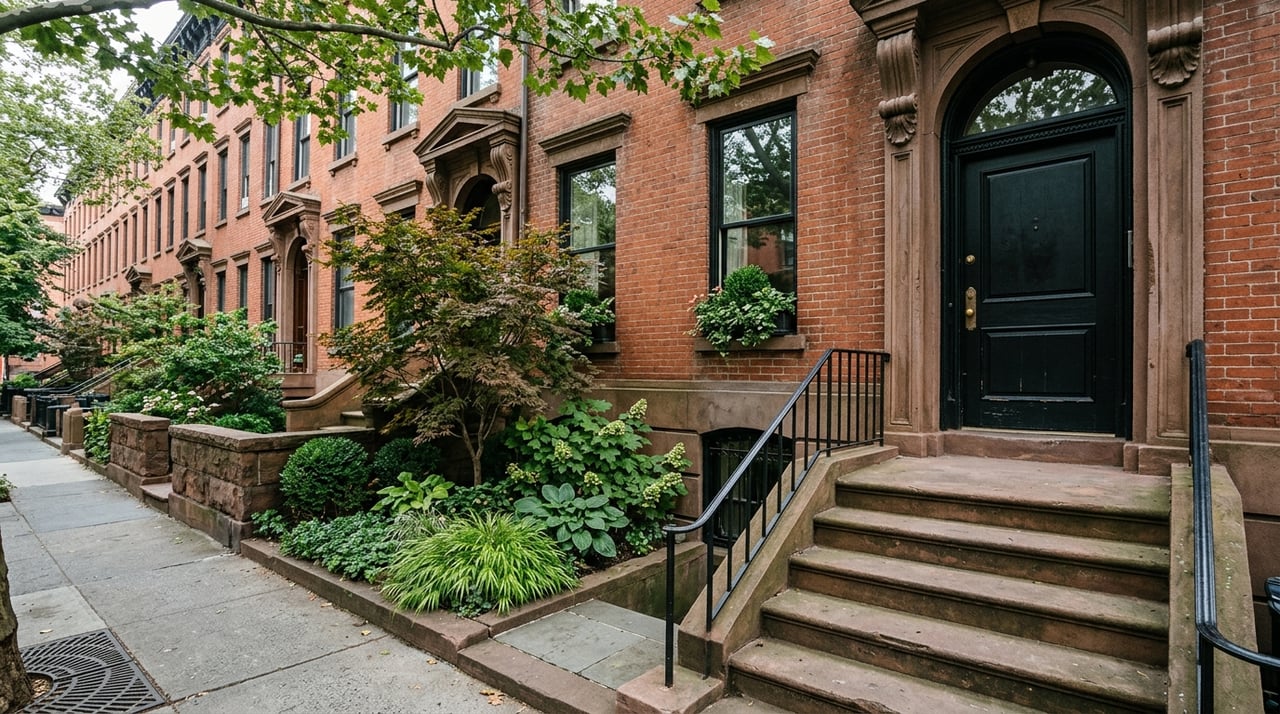
What does townhouse living in Park Slope actually feel like once the postcard image fades and daily life begins? If you are drawn to brownstone blocks, Prospect Park access, and the character of historic homes, it helps to understand both the charm and the practical rhythm. This guide walks you through how Park Slope townhouses look, live, and function day to day so you can picture the lifestyle with more clarity. Let’s dive in.
Park Slope Living Starts on the Block
Park Slope is shaped by a classic Brooklyn rowhouse pattern that took form in the late 19th and early 20th centuries. The neighborhood developed with trolley-era growth, and that history still shows up in its consistent street grid, narrow-lot homes, and strong residential feel.
Many of the homes sit within the Park Slope Historic District, which was designated in 1973 and covers 44 blocks. That historic framework helps explain why so many streets feel visually cohesive, even when the houses were built in different decades.
The experience of the neighborhood also changes depending on where you are. Fifth Avenue and Seventh Avenue concentrate much of the shopping, dining, and day-to-day errands, while Fourth Avenue feels more mixed and more urban in character.
That pattern matters when you imagine your routine. In Park Slope, social life and convenience tend to cluster around walkable avenues rather than spread evenly across every residential block.
Everyday Routines Center on Park and Avenue Access
One of the biggest draws of Park Slope townhouse living is how often daily life connects back to Prospect Park. The park offers open lawn space, playgrounds, tennis, skating, birdwatching areas, and year-round events, so it becomes part of the weekly rhythm rather than a once-in-a-while destination.
For many residents, the Grand Army Plaza Greenmarket is part of that rhythm too. It operates every Saturday year-round at the northwest entrance to Prospect Park and has served the neighborhood since 1989.
There is also a very specific grocery culture in Park Slope. The Park Slope Food Coop, founded in 1973, remains a defining part of local errand life for many households.
Together, these features create a neighborhood pattern that feels grounded in walking, repeat routines, and familiar local stops. If you are considering a townhouse here, that lifestyle can be just as important as the home itself.
The Stoop Is Part of Daily Life
In Park Slope, the stoop is more than an architectural detail. It acts as a raised transition between the sidewalk and the main living level, and it shapes how the home meets the street.
That design has a real effect on everyday experience. Front steps, areaways, and brief conversations at the block level all become part of how townhouse living feels.
This is one reason Park Slope often feels social without being busy in the same way as a major avenue. The residential streets can offer a sense of connection that comes from seeing neighbors, pausing on the stoop, and moving between private and public space in a very New York way.
What Park Slope Townhouses Look Like
Park Slope’s townhouse stock includes a wide range of rowhouse styles seen across New York City. You may notice Italianate, Neo-Grec, Queen Anne, Romanesque Revival, Renaissance Revival, and other historic variations throughout the neighborhood.
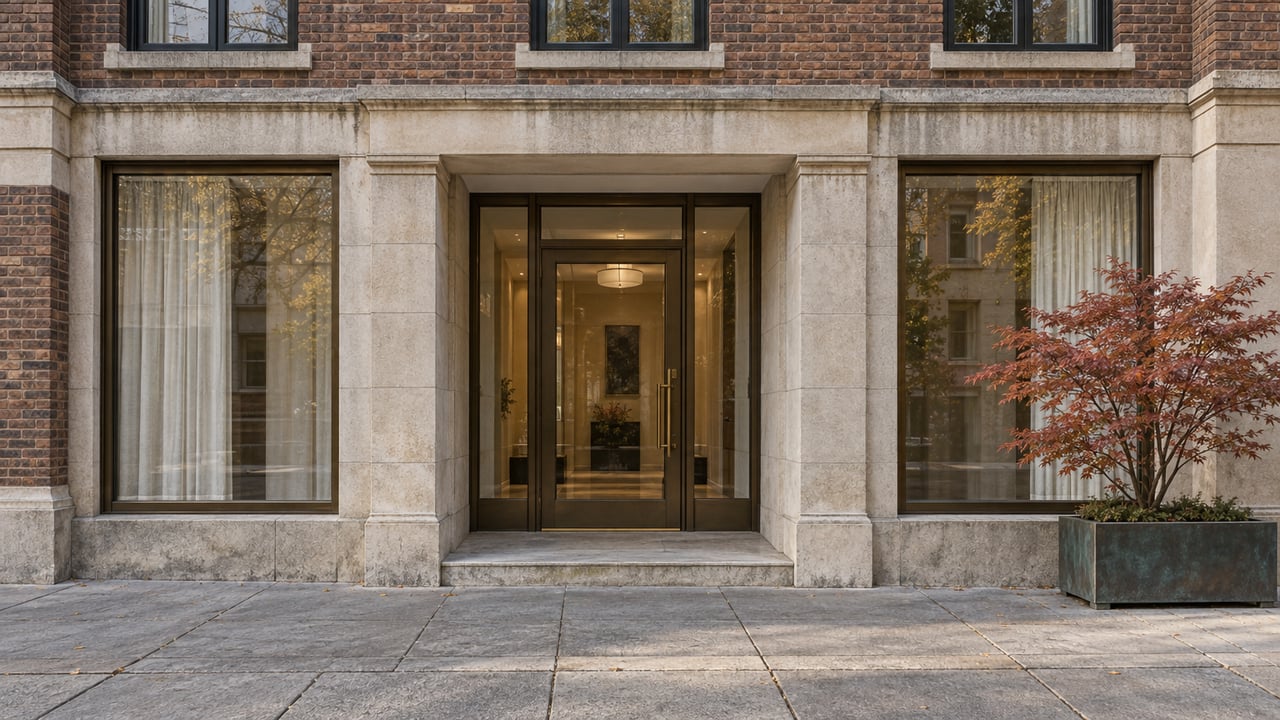
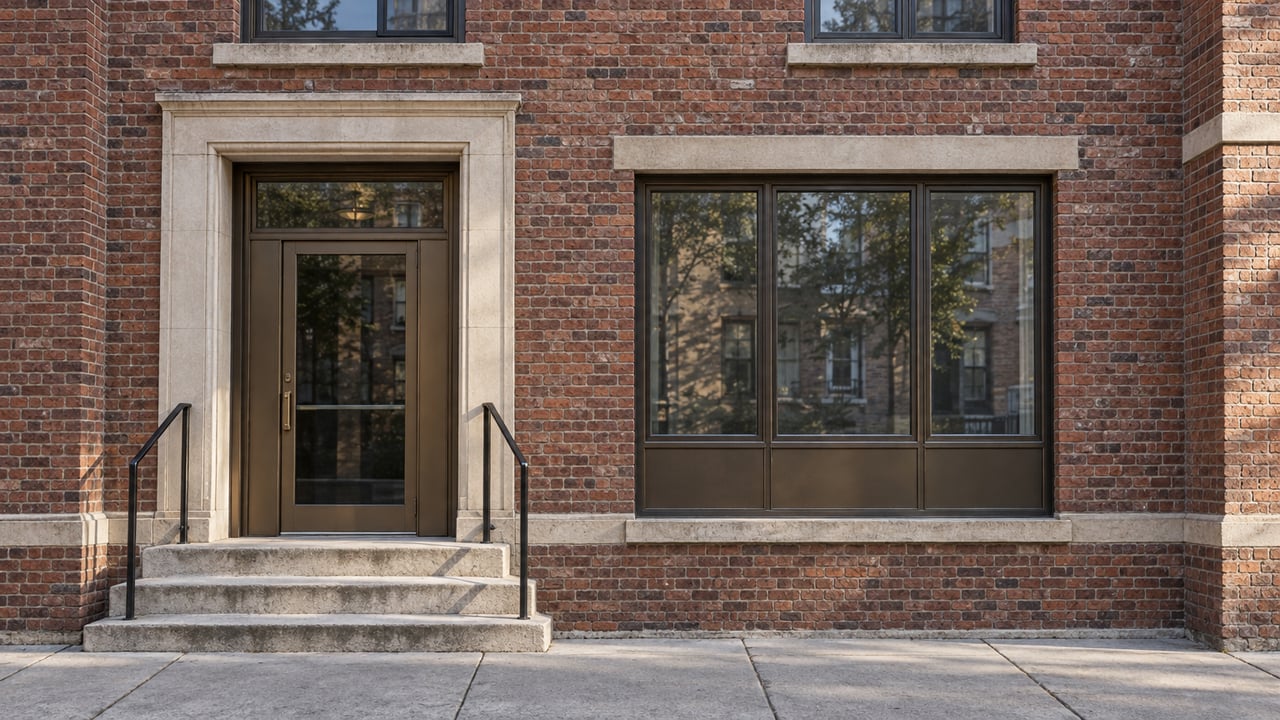
Even with those stylistic differences, the overall visual language stays fairly consistent. Most homes share narrow frontages, vertical proportions, stoops, and facades in brownstone or brick, often with details like cornices, bays, lintels, and ironwork.
That consistency is part of what gives Park Slope its appeal. A block can feel unified even when individual houses come from different architectural eras.
It can be helpful to think about these homes by construction era rather than assuming one standard townhouse model. Earlier homes often read as more formal and compact, while later ones may feature different facade treatments, more elaborate bays, or more decorative massing.
Interior Layouts Are Usually Vertical
The classic brownstone layout remains the best shorthand for how many Park Slope townhouses function. These homes are typically long and narrow, with a staircase taking up a meaningful portion of the width.
The parlor floor usually sits a few steps above street level and often has higher ceilings and larger windows. The garden level may hold the kitchen or, in some configurations, a separate apartment, while bedrooms are commonly placed on upper floors.
That arrangement creates a very different lifestyle from apartment living. Instead of a single-level layout, townhouse life is usually built around moving between floors throughout the day.
In practice, that can be a major advantage. It allows public rooms, private bedrooms, work areas, and garden-level spaces to feel distinct from one another.
Why the Layout Appeals to So Many Buyers
Vertical living gives a townhouse flexibility that many buyers find appealing. In a single-family setup, one level can host entertaining, another can act as the everyday kitchen and living hub, and the upper floors can provide quieter sleeping or work space.
The same building can also support multi-family use, which aligns with NYC Planning’s note that many Park Slope rowhouses are already used that way. Depending on the property, you may see duplex, triplex, or floor-by-floor arrangements.
That adaptability is one of the reasons Park Slope townhouses continue to attract attention. They can offer separation, privacy, and a sense of scale that is difficult to replicate in many other housing types.
The Real Trade-Off Is the Stairs
The romance of townhouse living is real, but so is the staircase. Groceries, strollers, laundry, and simple daily movement all take more planning when your home unfolds across multiple levels.
For some buyers, that trade-off feels well worth it because of the separation between public and private space. For others, it becomes one of the most important practical questions to evaluate before making a move.
This is especially true if you are comparing a townhouse with a condo or elevator building. Park Slope townhouse life can feel generous and layered, but it is rarely single-level simple.
Rear Light and Garden Access Matter
In many renovated townhouses, the rear of the home becomes the most lived-in zone. That is often where buyers focus most closely on light, openness, and connection to outdoor space.
A common layout pattern places the front parlor toward the street, a middle dining room at the center, and a rear kitchen overlooking the garden. When that rear relationship works well, it can make the home feel calmer, brighter, and more connected to the outdoors.
Even a modest rear yard can carry real lifestyle value in Park Slope. It is not just extra square footage. It often shapes how the home functions every day.
Ownership Means Ongoing Stewardship
Buying a Park Slope townhouse also means taking on the realities of an older building. Ownership is not only about interiors and square footage. It includes the responsibility of maintaining a historic structure.
Exterior upkeep can involve brick and mortar, lintels, parapets, roof edges, terraces, window sills, handrails, and retaining walls. In practical terms, older homes often need steady attention to masonry, waterproofing, roof condition, areaways, and drainage.
That does not mean every house carries the same level of work at the same time. It does mean townhouse ownership should be approached with a stewardship mindset rather than an apartment mindset.
Landmark Rules Shape Exterior Changes
Because much of Park Slope sits within landmarked areas, exterior changes often require review. Work on front and rear facades may fall under Landmarks Preservation Commission oversight, while some ordinary maintenance, such as replacing broken window glass or repainting to match the existing color, generally does not require approval.
Even work that is not visible from the street can still require review if it affects the exterior. Rooftop additions and rear-yard changes may also require visibility documentation or mock-ups.
This is an important part of the decision-making process for buyers who are already imagining updates. A backyard project, roof feature, or facade revision may be possible, but timing, approvals, and cost should be part of the conversation from the start.
How to Picture the Lifestyle Clearly
The best way to think about Park Slope townhouse living is to hold two truths at once. The classic appeal is real: tree-lined blocks, stoops, historic facades, Prospect Park, and a neighborhood rhythm built around walking and local routines.
The practical side is real too: stairs, multi-level living, ongoing maintenance, and landmark oversight. When you understand both, you can evaluate a townhouse with more confidence and fewer surprises.
If you are buying or selling in a neighborhood as nuanced as Park Slope, that clarity matters. The right guidance helps you look beyond the image of a brownstone and assess how the home will support your everyday life, long-term goals, and ownership expectations. If you are ready for a more tailored conversation, Nest Seekers Masters Division can help you navigate Park Slope townhouse opportunities with a high-touch, informed approach.
FAQs
What is daily life like in a Park Slope townhouse?
- Daily life often centers on walkable avenues, Prospect Park access, local grocery routines, stoop-level interaction, and moving through a multi-floor home.
What do most Park Slope townhouses look like?
- Most feature narrow frontages, vertical layouts, stoops, and brownstone or brick facades, with architectural details that vary by era.
How are Park Slope townhouse interiors usually laid out?
- Many follow a classic brownstone plan with a parlor floor above street level, a garden level for kitchen or additional use, and bedrooms on upper floors.
What is the biggest lifestyle adjustment in a Park Slope townhouse?
- For many buyers, the biggest adjustment is the staircase and the reality of living across several levels instead of on one floor.
Do exterior renovations on Park Slope townhouses need approval?
- In many cases, yes. Because much of Park Slope is landmarked, exterior work on facades, rear yards, or rooftops may require review.
Why do buyers care so much about rear light and garden space in Park Slope townhouses?
- Rear light and garden access often shape the most-used living areas, especially in renovated homes where the back of the house becomes the daily hub.