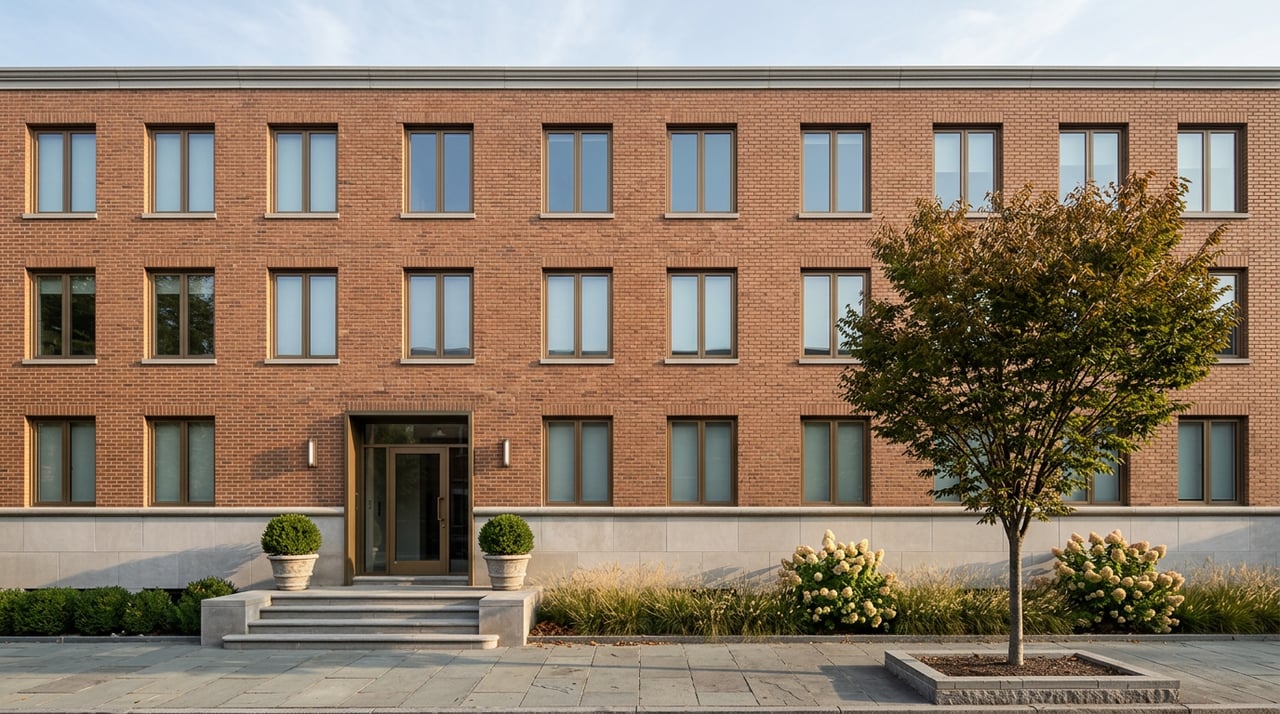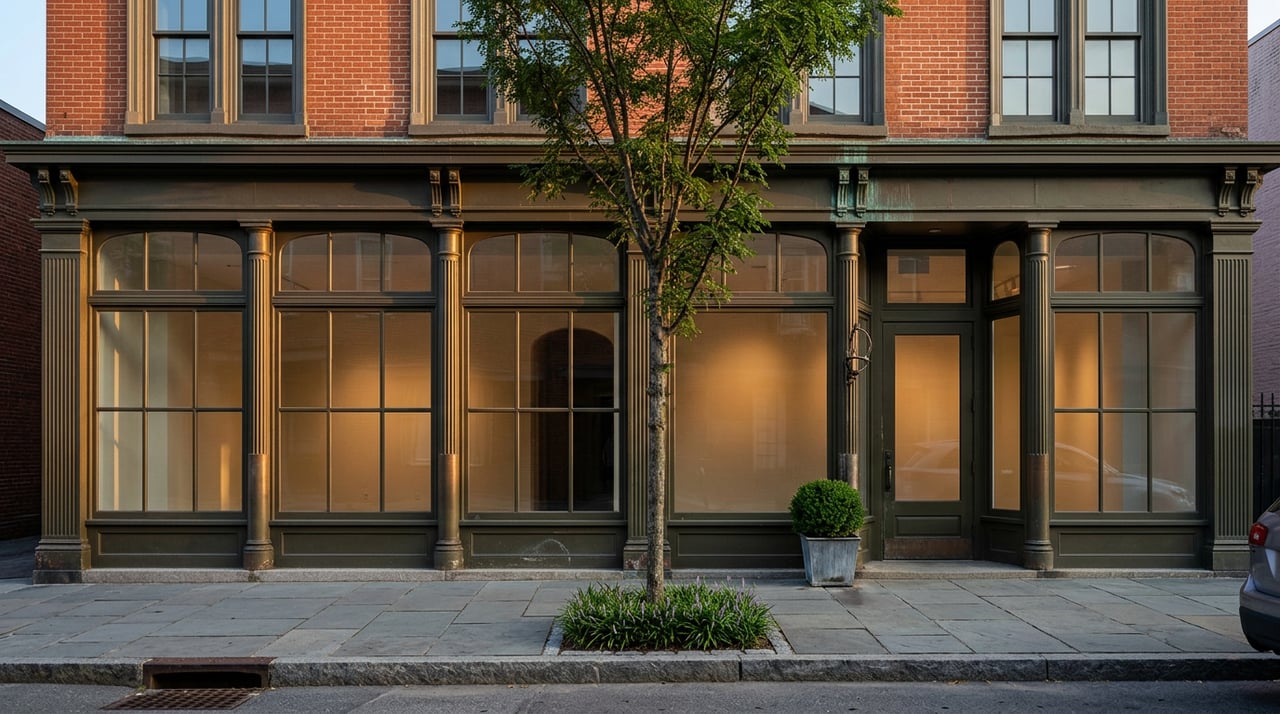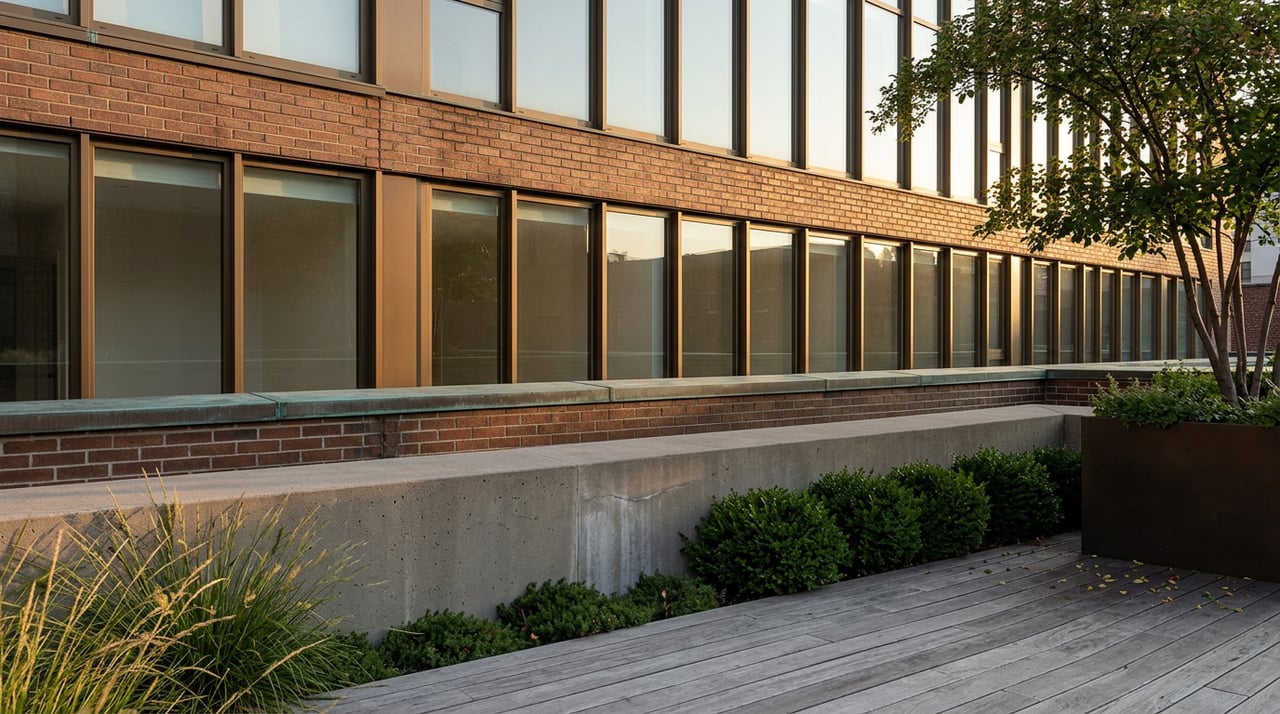
Stand on Vernon Boulevard this month and you can see the disconnect without opening a spreadsheet. A few blocks apart sit two condo towers that a portal search would file under the same neighborhood, the same subway stop, even the same rough square footage. One is quietly flooding with resale listings from owners who bought during the last construction wave. The other opened sales earlier this year, the first new waterfront tower in a decade, and it's pricing well above where the neighborhood's own median sits. Both are technically "Long Island City." Neither behaves like the market a buyer expects when they see the neighborhood's headline numbers.
That gap is the story, and it matters more than the median price itself if you're comparing LIC to anywhere else in the city.
The Rent Number That Doesn't Match the Rest of Queens
Long Island City has spent two decades marketing itself as the value-conscious alternative to Manhattan: same skyline view, shorter commute, lower rent. As of mid-2026, that pitch needs an asterisk. Apartment trackers put average rent in the neighborhood somewhere between roughly $4,300 and $4,800 a month depending on methodology, with one tracker showing $4,522 as of June 13, 2026, up 3 percent year over year, and another putting the figure at $4,804 as of early June, up from $4,743 the year before. A separate CoStar reading cited around the same time placed LIC's asking rent per unit near $4,326, well above the citywide average of roughly $3,616.
Line that up against the rest of Queens and the number stops looking like a neighborhood quirk and starts looking like a decoupling. Borough-wide, Queens rent averages closer to $3,150. Manhattan, by comparison, posted a median asking rent near $4,700 in February 2026 and the citywide median hit a record $4,199 that May. Long Island City isn't renting like the rest of its own borough anymore. It's renting like Manhattan, or close enough that the difference barely registers to a tenant paying the bill.
Rent moved. Sale prices did not move with it, at least not evenly, and that's where the story gets more interesting than a single headline stat.
Why the Sale Side Split in Two
If rent had simply pulled purchase prices along with it, LIC condos would already be trading well above where they sit today. Instead, the for-sale market fractured into two products that happen to share a zip code.
The first half of 2026 tells the story cleanly. Resale condo listings more than doubled to 155 units, a record 70 percent of everything on the market, as owners who bought during the 2019 to 2021 development boom started listing their units. Skyline Tower alone went from zero active resale listings a year earlier to 26. That single building is now the largest source of resale inventory in the neighborhood.
New construction moved in the opposite direction. New development inventory fell 22 percent to just 59 units, with roughly half of that concentrated in a single project, Radiant. Pricing on what remained hit record levels. Closings at Vesta LIC landed at a median of $1.55 million, about a third above the market-wide median for the same half-year. Meanwhile, closings between $500,000 and $750,000 fell 68 percent, and sales above $2 million rose 25 percent, largely on the strength of Skyline Tower resales, including the year's top sale so far at $2.72 million.
Put those two trends side by side and the picture is unmistakable.
| Resale (legacy towers) | New construction | |
|---|---|---|
| Active listings, 1H 2026 | 155 units, up over 100% year over year | 59 units, down 22% |
| Example building | Skyline Tower: 26 active resale listings, up from zero a year prior | Vesta LIC: closings at a median about a third above the market-wide figure |
| Price movement | Closings under $750K fell 68% | Pricing hit record highs across new-development closings |
| Market share of closings | Resale co-ops fell 24% year over year | New development held flat at 81 closings, rising to 53% of total sales from 42% |
Average price per square foot across the whole market climbed 5 percent to $986 in the same period, and the median sold unit grew to 865 square feet from 657 a year earlier. Days on market shortened 24 percent to 97 days. All of that reads like a healthy, tightening market on paper. What it actually describes is a resale pool getting bigger and cheaper on a per-unit basis while a shrinking new-construction pool gets pushed to record pricing. The blended median a buyer sees on a portal is an average of two markets moving in opposite directions, not a single coherent number.
The Decade Wait Behind One Tower
The clearest evidence of how scarce new waterfront inventory has become sits at 45-40 Vernon Boulevard, where Paragon opened sales earlier this year. The 23-story tower folds the old Paragon Paint Factory into its base, then stacks a brick-and-glass structure on top, with units ranging from studios to four bedrooms priced from $655,000 to $4.65 million. Designed by Archimaera with interiors by MAWD, it's marketed as the first new waterfront condominium in Long Island City in more than a decade, and first move-ins are expected this fall.
"The market has been waiting over 10 years for this tower and we anticipate a rapid sellout."
That's how the launch was framed by broker Ryan Serhant when the building hit the market, and whatever you make of sales-pitch enthusiasm, the underlying scarcity claim checks out against the inventory numbers above. A building doesn't get called the first new waterfront tower in ten years unless the pipeline genuinely went dry. Paragon sits close to Anable Basin, within walking distance of Gantry Plaza State Park, the neighborhood ferry terminal and the Court Square transit hub, the same amenities every LIC listing leans on. What's different is the calendar. Ten years is long enough for an entire generation of renters to become buyers, and buyers to become resellers, without a single new waterfront building competing for their attention.
What's Actually Coming Next, and Why It's Not Fast
The supply drought has an end date on paper, just not a near one. In November 2025, the City Council approved the OneLIC Neighborhood Plan by a 45-0 vote, rezoning 54 blocks stretching from Queensbridge Houses to Hunters Point and east to Court Square. The plan permits up to 14,700 new homes, including 4,350 permanently affordable units, along with more than $905 million in committed community investments and a continuous public waterfront running from Gantry Plaza State Park to Queensbridge Park. City planners themselves have described it as a ten-year vision for the neighborhood's growth, not an 18-month construction sprint.
The first concrete piece of that pipeline landed in July 2026, when the city announced the Orion, a 983-unit mixed-use development planned for Parcel E at 54-42 2nd Street, a long-vacant, city-owned site once tied to New York's failed 2012 Olympic bid. Two-thirds of those units, 658 in total, will be permanently affordable, with Slate Property Group and Hudson Companies developing the site and Commonpoint operating a daycare and workforce development center on the property.
Both projects matter to anyone comparing LIC against other neighborhoods right now, but neither changes the math this year or next. A rezoning approved in late 2025 and a single announced project in mid-2026 describe a pipeline that's just beginning, not one that's about to flood the market and reset prices. For the buyer standing in front of a listing today, the scarcity behind Paragon's pricing and Vesta LIC's premium is the current condition, not a temporary blip waiting on the next building permit.
What This Means If You're Comparing Neighborhoods
The practical takeaway depends on which side of the split you're buying into. A resale unit in a tower like Skyline Tower is priced into a market that just absorbed a wave of same-building competition, which is part of why sales under $750,000 fell so sharply this year while larger, higher-priced resales picked up the slack. A unit in new construction like Paragon or Vesta LIC is priced against a genuinely thin new-development pool that isn't getting meaningfully deeper for years, not months.
Rent, meanwhile, isn't waiting on either of those timelines. It already moved to something closer to Manhattan's number than Queens' number, which is worth sitting with if you're weighing a purchase against a lease in this specific neighborhood. The math that made LIC an easy "rent here instead of Manhattan" decision five years ago doesn't work the same way today. What still holds is that the purchase side of the ledger, at least in the resale pool, hasn't caught up to that rent shift, which is its own kind of opportunity if you understand which market you're actually stepping into.
FAQ
Does Long Island City still rent for meaningfully less than Manhattan? Not by the margin it used to. Rent trackers in mid-2026 put LIC's average somewhere between about $4,300 and $4,800 a month, close to or above Manhattan's borough-wide median rent, and well above the roughly $3,150 average for Queens overall.
Why are there suddenly so many resale listings at Skyline Tower? Owners who bought during the neighborhood's 2019 to 2021 construction boom are now listing in large numbers. Skyline Tower went from zero active resale listings a year ago to 26 in the first half of 2026, making it the single largest source of resale inventory in the neighborhood.
When will the OneLIC rezoning actually add new inventory to the market? Not soon. The plan was approved in November 2025 and city planners have described it as a ten-year build-out. The first concrete project tied to it, the 983-unit Orion at Parcel E, was only announced in July 2026 and hasn't broken ground.
If you're weighing Long Island City against another neighborhood and want to know which side of this split a specific listing falls on, that's a conversation worth having before you make an offer, not after. The Masters Division works this market alongside our Manhattan and Brooklyn desks daily. Request a private consultation and we'll walk you through what a given price per square foot in LIC is actually telling you.